
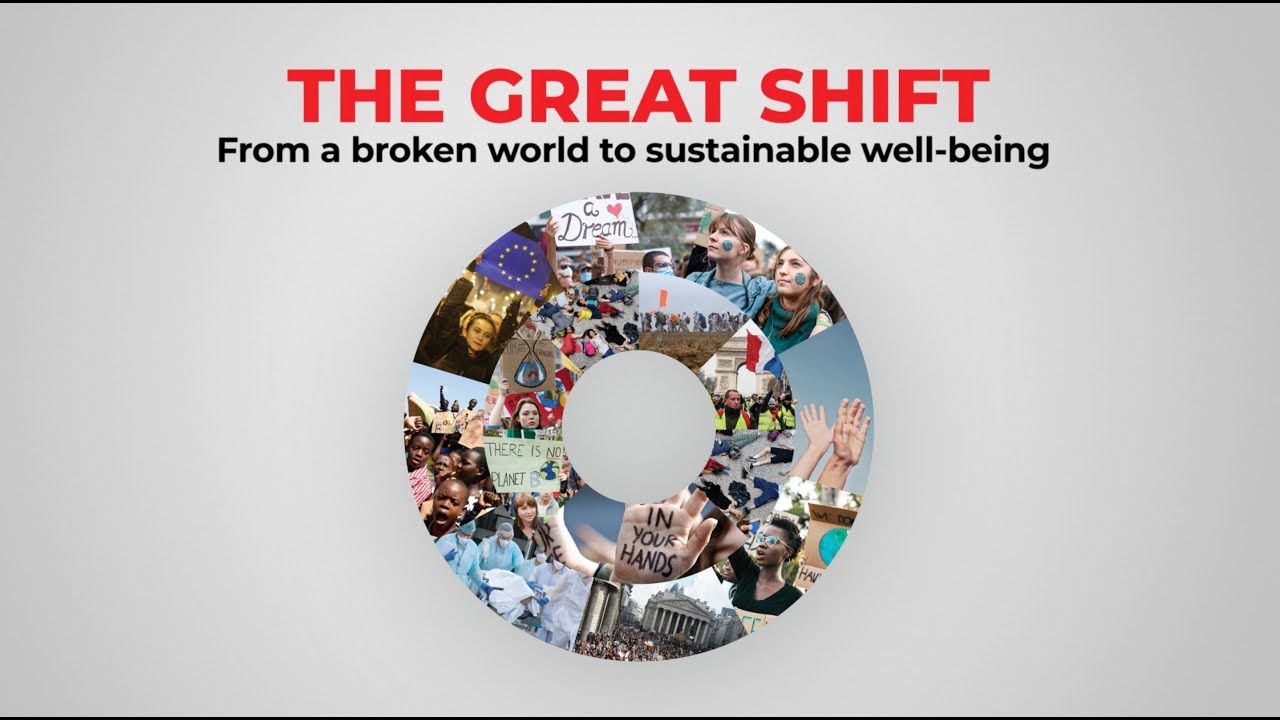
BREAKING: World Shifts.
Introduction
Okay, deep breath. Something big is happening. You can feel it, can’t you? It’s not just the news headlines screaming doom and gloom, it’s a fundamental shift in the way we live, work, and interact with the world around us. We’re talking about the convergence of rapid technological advancements, evolving social values, and a planet under pressure – a cocktail that’s shaking things up in profound ways.
This isn’t your standard “the world is changing” platitude. This is about understanding how it’s changing, why it’s changing, and most importantly, what we can do about it. Think of this as your decoder ring for navigating the new normal.
The Ground Beneath Our Feet Is Moving: What’s Actually Shifting?
We’re not talking tectonic plates here (though climate change might have something to say about that later!). We’re talking about the foundational elements of modern life:
- The Future of Work: Remember the 9-to-5 grind? That’s increasingly a relic of the past. The rise of remote work, the gig economy, and automation are reshaping how we earn a living. Job security is no longer a given, and skills are becoming more valuable than titles.
- The Digital Frontier Expands: Technology isn’t just making things faster; it’s fundamentally altering how we communicate, learn, and even think. Artificial intelligence, virtual reality, and the Metaverse are blurring the lines between the physical and digital worlds.
- A World More Connected (and Divided): Social media has given us unprecedented access to information and connection, but it’s also fostered echo chambers and intensified societal divisions. Navigating the complex landscape of online discourse is becoming a critical skill.
- The Climate Crisis Heats Up: Let’s not sugarcoat it: the planet is facing an existential threat. Extreme weather events, rising sea levels, and resource scarcity are no longer future projections; they’re happening now.
- A Generational Divide: Values, priorities, and even worldviews are diverging across generations. Understanding these differences is crucial for building bridges and fostering collaboration.
Short-Term Tremors, Long-Term Earthquakes: What Are the Impacts?
These shifts are already having a tangible impact on our lives, both in the short term and with the potential for significant long-term consequences.
Short-Term Impacts:
- Economic Uncertainty: Job displacement due to automation, inflation, and supply chain disruptions are creating economic anxieties for many.
- Mental Health Challenges: The constant barrage of information, social pressures, and economic uncertainty are taking a toll on mental well-being.
- Political Polarization: Increased division and a lack of common ground are hindering progress on critical issues.
- Supply Chain Issues: From microchips to groceries, the disruption of global supply chains is impacting access to essential goods.
Long-Term Impacts:
- Climate Catastrophe: Unchecked climate change could lead to irreversible environmental damage, mass migrations, and global instability.
- Technological Dependence: Over-reliance on technology could erode critical thinking skills, exacerbate social isolation, and create new forms of inequality.
- Social Fragmentation: A continued lack of connection and empathy could lead to increased societal division and a decline in civic engagement.
- Erosion of Privacy: The increasing collection and use of personal data raise serious concerns about privacy and autonomy.
Navigating the New Landscape: Practical Solutions
The good news is, we’re not passive observers in this unfolding drama. We have the power to adapt, innovate, and shape the future we want to see. Here are some practical solutions, offering a range of approaches to fit different circumstances:
1. Embrace Lifelong Learning:
- The Skill Up Strategy: Identify the skills needed for the future (think digital literacy, critical thinking, problem-solving, adaptability) and invest in acquiring them. Online courses, workshops, and apprenticeships are all excellent options. Example: A former factory worker taking an online course in data analytics and landing a job as a data analyst.
- The Curiosity Mindset: Cultivate a love of learning and stay open to new ideas. Read widely, attend lectures, and engage in conversations with people from different backgrounds.
2. Prioritize Well-being:
- The Mindfulness Method: Practice mindfulness techniques like meditation or yoga to reduce stress and improve focus.
- The Connection Cure: Make time for meaningful connections with friends, family, and community. Volunteer your time, join a club, or simply reach out to someone you care about.
- The Digital Detox: Set boundaries with technology and take regular breaks from screens. Spend time in nature, engage in hobbies, and reconnect with the physical world.
3. Foster Community and Empathy:
- The Active Listening Approach: Practice active listening and seek to understand perspectives different from your own. Engage in respectful dialogue, even when you disagree.
- The Community Builder: Get involved in your local community. Support local businesses, volunteer your time, and participate in civic life.
- The Bridge Builder: Seek out opportunities to connect with people from different backgrounds and cultures. Learn about their experiences and perspectives.
4. Embrace Sustainable Practices:
- The Conscious Consumer: Make informed choices about the products you buy and the services you use. Choose sustainable options, support ethical businesses, and reduce your consumption.
- The Resourceful Reducer: Reduce your environmental impact by conserving energy, water, and resources. Recycle, compost, and reduce your waste.
- The Advocate for Change: Advocate for policies and practices that promote sustainability and environmental protection. Support organizations working to address climate change.
Examples in Action:
- The City of Amsterdam: Embracing a circular economy model, aiming to eliminate waste and pollution by redesigning products and systems.
- Patagonia: A company built on sustainable practices, using recycled materials, promoting fair labor practices, and donating to environmental causes.
- Khan Academy: Providing free, accessible education to anyone, anywhere, empowering individuals to learn and acquire new skills.
Alternative Approaches:
- The Entrepreneurial Route: Identify problems and create innovative solutions. Start a business that addresses a social or environmental need.
- The Political Path: Get involved in politics and advocate for policies that align with your values. Run for office, volunteer for campaigns, or lobby your elected officials.
- The Artistic Expression: Use art as a medium to express your concerns, inspire change, and foster connection.
A Call to Action: From Awareness to Action
The world is shifting, no doubt about it. But that doesn’t have to be a cause for despair. It’s an opportunity – a chance to reimagine the way we live, work, and interact with the planet. It’s a chance to build a more sustainable, equitable, and fulfilling future.
The solutions outlined above are not exhaustive, but they offer a starting point for navigating the new landscape. Choose the approaches that resonate with you, experiment with different strategies, and don’t be afraid to fail. The key is to take action, no matter how small.
Remember, every small step contributes to a larger movement. By embracing lifelong learning, prioritizing well-being, fostering community, and embracing sustainable practices, we can collectively shape a future that is brighter and more promising for all.
The world is shifting. Let’s shift with it, with purpose, with intention, and with a sense of optimism for what we can create together. Let’s not just survive the change, let’s thrive in it. The future is not something that happens to us; it’s something we create. Let’s get to work.
