
Chaos Unfolds:World on Edge
Introduction
Okay,let’s be honest,it feels like we’re living in a perpetual state of “red alert” these days,doesn’t it? From geopolitical tensions to climate crises and economic instability,the world stage is looking less like a peaceful ballet and more like a mosh pit.You might be asking yourself,”Is this the new normal?”And more importantly,”What can we even *do* about it?”
This isn’t some doom-and-gloom prophecy.It’s a reality check.We’re facing interconnected challenges that demand our attention,not our paralysis.The good news?While the problems are complex,solutions exist.And you,yes *you*,can be part of them.
The Short-Term Aftershocks:Immediate Impacts We’re Feeling Now
Let’s break down the immediate,in-your-face impacts we’re already experiencing.Think of it as the urgent care triage of global issues.
- Supply Chain Snarls:Remember the toilet paper shortage of 2020?That was a mild appetizer compared to what’s brewing.Global instability disrupts trade routes,increases the cost of goods,and leaves shelves empty.This directly impacts your wallet and access to essentials.
- Rising Energy Prices:Political unrest and fluctuating demand create a volatile energy market.Higher gas prices,inflated heating bills,and increased costs for businesses translate to less disposable income for everyone.
- Increased Social Division:Uncertainty breeds fear,and fear often manifests as division.Polarization increases as people retreat into echo chambers,leading to social unrest and a breakdown in constructive dialogue.
- Anxiety and Mental Health Strain:Let’s face it;constant negative news takes a toll.Many people are experiencing increased anxiety,stress,and feelings of helplessness as they navigate this chaotic landscape.
The Long Game:Ripple Effects Shaping Our Future
These short-term shocks are just the tip of the iceberg.The long-term consequences are potentially more profound and require strategic foresight.
- Economic Instability:Prolonged disruptions can lead to recession,unemployment,and a widening wealth gap.This creates a cycle of poverty and inequality that’s difficult to break.
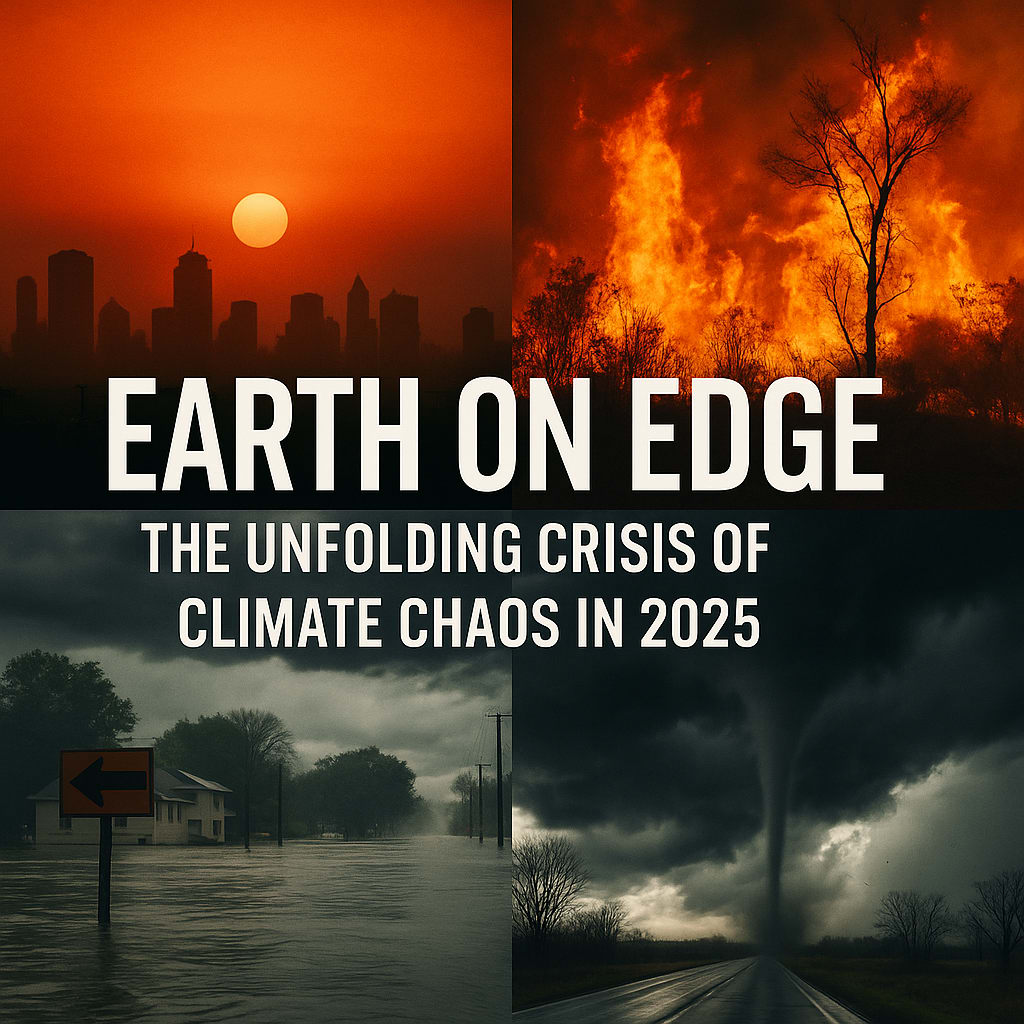
- Environmental Degradation:Climate change intensifies existing problems,leading to extreme weather events,resource scarcity,and mass displacement.These challenges disproportionately affect vulnerable populations.
- Erosion of Trust in Institutions:When governments and international organizations fail to adequately address these issues,public trust erodes.This creates a vacuum that can be filled by misinformation and extremism.
- Geopolitical Realignments:Shifts in power dynamics can lead to new alliances and conflicts,reshaping the global order.This creates uncertainty and instability that can impact international relations for decades to come.
Turning the Tide:Practical Solutions You Can Embrace
Okay,enough with the doom and gloom.Let’s talk about solutions.These aren’t pie-in-the-sky ideas;they’re actionable steps you can take to make a difference.
- Become a Conscious Consumer:Your purchasing power is a superpower.
- Support Local Businesses:Reduce your reliance on global supply chains by buying local whenever possible.This supports your community and reduces your carbon footprint.
- Example:Instead of ordering from a massive online retailer,try visiting a local farmers market or artisan shop.
- Choose Sustainable Products:Opt for products made from recycled materials,ethically sourced,and designed for longevity.
- Example:Look for clothing made from organic cotton or purchase durable goods that can be repaired instead of replaced.
- Reduce Waste:Practice mindful consumption and minimize waste through recycling,composting,and reducing your reliance on single-use plastics.
- Support Local Businesses:Reduce your reliance on global supply chains by buying local whenever possible.This supports your community and reduces your carbon footprint.
- Engage in Informed Advocacy:Your voice matters.
- Stay Informed:Seek out credible news sources and critically evaluate information before sharing it.Combat the spread of misinformation by promoting factual reporting.
- Example:Subscribe to reputable news outlets and fact-check information before sharing it on social media.
- Contact Your Representatives:Let your elected officials know your priorities and advocate for policies that address the challenges we face.
- Example:Write letters,send emails,or participate in town hall meetings to voice your concerns.
- Support Organizations:Donate your time or money to organizations working to address climate change,promote social justice,or provide humanitarian aid.
- Stay Informed:Seek out credible news sources and critically evaluate information before sharing it.Combat the spread of misinformation by promoting factual reporting.
- Build Resilience in Your Community:Strength in numbers.
- Connect with Neighbors:Build strong relationships with your neighbors to create a support network in times of crisis.
- Example:Organize neighborhood gatherings,start a community garden,or create a neighborhood watch program.
- Develop Emergency Preparedness:Prepare for potential disruptions by creating an emergency kit,learning basic first aid,and developing a communication plan.
- Support Local Initiatives:Get involved in local initiatives that promote sustainability,resilience,and community well-being.
- Example:Volunteer at a local food bank,participate in a community cleanup,or support local environmental organizations.
- Connect with Neighbors:Build strong relationships with your neighbors to create a support network in times of crisis.
- Invest in Your Mental and Emotional Well-being:You can’t pour from an empty cup.
- Practice Self-Care:Make time for activities that help you relax,de-stress,and recharge.
- Example:Exercise regularly,practice mindfulness,spend time in nature,or engage in creative hobbies.
- Limit Your Exposure to Negative News:Take breaks from consuming news and social media to avoid feeling overwhelmed.
- Connect with Others:Talk to friends,family,or a therapist about your feelings and concerns.Remember,you’re not alone.
- Seek Professional Help:Don’t hesitate to seek professional help if you’re struggling with anxiety,depression,or other mental health challenges.
- Practice Self-Care:Make time for activities that help you relax,de-stress,and recharge.
Alternative Approaches:A Menu of Options
The best approach is a multifaceted one.Here are a few alternative approaches that you can mix and match to create a strategy that works for you:
- Embrace Minimalism:Reduce your consumption and focus on experiences rather than material possessions.This can reduce your environmental impact and free up resources for other priorities.
- Invest in Education:Learn new skills that can help you adapt to a changing economy and contribute to solutions.
- Support Ethical Businesses:Seek out companies that prioritize social and environmental responsibility in their operations.
- Promote Dialogue and Understanding:Engage in respectful conversations with people who hold different views to bridge divides and build consensus.
A Call to Action:Hope and Empowerment
The world may be on edge,but you don’t have to be.By taking proactive steps to address the challenges we face,you can empower yourself,strengthen your community,and contribute to a more sustainable and equitable future.
Remember,collective action starts with individual choices.Every conscious purchase,every informed decision,and every act of kindness makes a difference.
Don’t let fear paralyze you.Let hope motivate you.The future is not predetermined.It’s shaped by the choices we make today.Let’s choose wisely,act boldly,and create a world where chaos gives way to collaboration,resilience,and lasting peace.The power to shape that world is in your hands.Now,go make it happen.
