
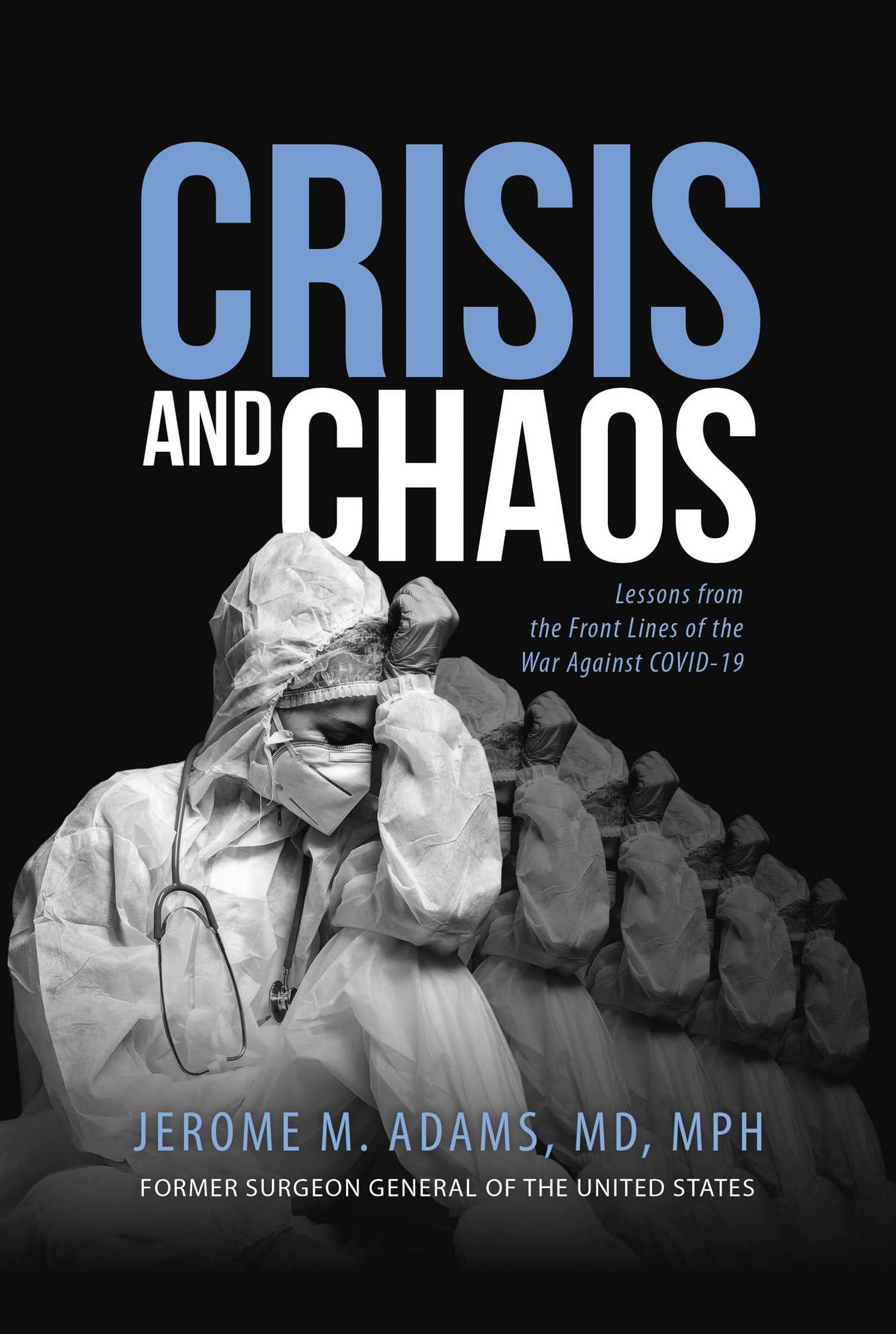
Chaos Unfolds: Today’s World in Crisis
Introduction
Okay, let’s be honest. Turning on the news these days can feel like stepping into a slow-motion train wreck. From climate change headlines that scream of melting glaciers to geopolitical tensions simmering just below the surface, it’s easy to feel overwhelmed. Is it just us, or does it seem like… chaos is unfolding?
But before you reach for that comforting blanket and binge-watch cat videos, let’s take a breath. Acknowledging the problem is the first step to, well, doing something about it. This isn’t about painting a picture of doom and gloom. It’s about understanding the interconnected challenges we face, and more importantly, exploring practical ways to navigate this complex landscape. Think of it as your friendly neighborhood guide to surviving (and thriving!) in a world that sometimes feels like it’s spinning a little too fast.
Explanation of the Problem
So, what exactly are we talking about when we say “crisis?” It’s not just one thing. It’s a confluence of factors, each feeding into the other, creating a perfect storm of uncertainty. We’re talking about:
- Environmental Pressures: Climate change, deforestation, pollution – the Earth is sending us some pretty urgent messages.
- Economic Instability: Inflation, supply chain disruptions, and widening inequality are impacting livelihoods worldwide.
- Geopolitical Tensions: Conflicts, political polarization, and a breakdown of trust are creating instability and uncertainty on a global scale.
- Social Disruption: Rapid technological advancements, misinformation, and societal divisions are creating new challenges for individuals and communities.
Short-Term Pain, Long-Term Gain?
Let’s face it, the short-term impacts of these crises are already being felt. We’re seeing rising food prices at the grocery store, extreme weather events disrupting communities, and a growing sense of anxiety about the future. But the long-term consequences are even more concerning. Unchecked climate change could lead to irreversible damage to our ecosystems. Economic instability could trigger widespread social unrest. Geopolitical conflicts could escalate into larger-scale wars. And unchecked misinformation could erode trust in institutions and undermine democratic processes.
Scary stuff, right? But here’s the silver lining: recognizing these potential long-term impacts is the first step toward mitigating them. Knowing what’s at stake can fuel us to take action and build a more resilient future.
Practical Solutions: Where Do We Even Begin?
Okay, so we’ve established that things are…complicated. But feeling paralyzed by the scope of the problem isn’t the answer. The good news is that there are concrete steps we can take, both individually and collectively, to make a difference.
- Embrace Sustainable Living (Without the Guilt Trip):
- The Idea: Reduce your environmental footprint by making conscious choices in your daily life.
- The How: It’s not about becoming a perfect eco-warrior overnight. Start small. Reduce meat consumption one or two days a week. Invest in reusable water bottles and shopping bags. Consider energy-efficient appliances when it’s time to replace them.
- The Example: Patagonia’s commitment to sustainable manufacturing and its “Worn Wear” program, which encourages customers to repair and reuse their clothing, is a great example of a company walking the talk.
- Become a Financially Savvy Citizen:
- The Idea: Understand basic financial principles to navigate economic uncertainty and build financial security.
- The How: Learn about budgeting, saving, and investing. Seek out reputable financial advisors or take online courses. Understand the impact of inflation and learn how to protect your savings.
- The Example: Websites like “NerdWallet” and “Investopedia” offer a wealth of free resources to help you improve your financial literacy.
- Engage in Informed Civic Participation:
- The Idea: Stay informed about current events, engage in respectful dialogue, and participate in the democratic process.
- The How: Seek out diverse and reliable news sources. Fact-check information before sharing it. Participate in local elections and contact your elected officials to voice your concerns.
- The Example: Supporting organizations like the League of Women Voters, which promotes informed and active participation in government.
- Foster Community Resilience:
- The Idea: Build strong social connections and support local initiatives that address community needs.
- The How: Volunteer your time at a local food bank or homeless shelter. Support local businesses. Get to know your neighbors and build a sense of community.
- The Example: Community gardens, where neighbors come together to grow food and share resources, are a great example of building community resilience.
- Cultivate Digital Literacy and Critical Thinking:
- The Idea: Develop the skills to navigate the digital world responsibly, identify misinformation, and engage in constructive online dialogue.
- The How: Learn to identify fake news and biased information. Be skeptical of sensational headlines. Engage in respectful online discussions and avoid spreading misinformation.
- The Example: Taking courses on media literacy or supporting organizations like the News Literacy Project, which helps students develop critical thinking skills.
Alternative Approaches: Choose Your Own Adventure
These are just a few ideas to get you started. The best approach for you will depend on your individual circumstances, interests, and resources. Here are a few alternative approaches to consider:
- Focus on Education: Support educational initiatives that promote critical thinking, problem-solving, and global citizenship.
- Invest in Innovation: Support companies and organizations that are developing innovative solutions to environmental and social challenges.
- Advocate for Policy Change: Contact your elected officials and advocate for policies that address climate change, economic inequality, and other pressing issues.
- Practice Mindfulness and Self-Care: Take care of your mental and emotional well-being to avoid burnout and stay motivated in the face of challenges.
A Brighter Tomorrow is Possible
Look, navigating this complex world isn’t easy. There will be setbacks and challenges along the way. But by taking small, consistent steps to address the issues we face, we can collectively create a more sustainable, equitable, and peaceful future.
Don’t let the scale of the problem paralyze you. Remember, even small actions can have a ripple effect. Start with one thing you can do today to make a difference. Educate yourself. Engage in your community. Support organizations that are working to create positive change.
The chaos may be unfolding, but so is our potential for resilience, innovation, and collective action. Let’s choose to focus on the latter. The future isn’t written in stone. It’s being written by us, every single day. So, let’s grab a pen and write a story worth telling. Let’s embrace the challenge and build a world we can be proud of. The time to act is now.
