
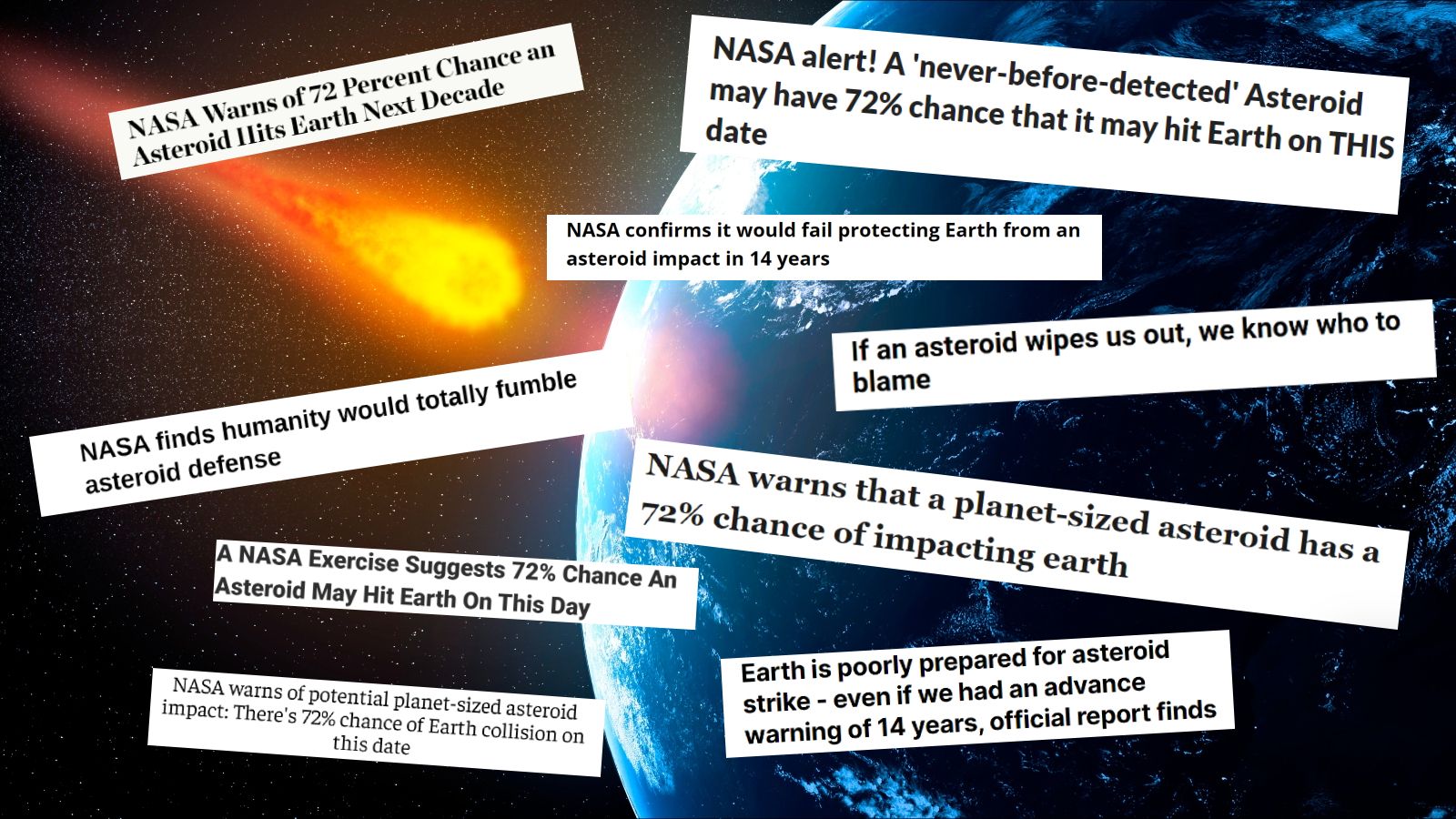
HEADLINES COLLIDE: REALITY SHATTERS
Introduction
We live in an age of information overload. Every day, a tsunami of headlines crashes onto our screens, each vying for our attention. Wars rage, economies fluctuate, technologies disrupt, and social movements surge. Individually, these stories are impactful. But when they collide, when these narratives intertwine and amplify each other, the effect can be… shattering. We’re not just talking about mental overload; we’re talking about a tangible shift in how we perceive reality, how we plan for the future, and how we interact with the world around us.
Ever feel like you’re walking on shifting sand? You’re not alone. This feeling of instability, of uncertainty, stems from the sheer volume and velocity of change. And the more those changes seem intertwined, the more disorienting it becomes. Let’s delve into why this is happening and, more importantly, what we can do about it.
The Short-Term Shockwaves: Information Overload and Decision Fatigue
In the immediate aftermath of a headline collision, the effects are often acutely felt on a personal level. Information overload becomes paralyzing. It’s like trying to drink from a firehose – impossible to absorb, and likely to leave you gasping for air.
- Decision Fatigue: Each headline demands our attention, forcing us to make choices – should I donate to this cause? Should I invest in this stock? Should I change my lifestyle? The constant decision-making process depletes our mental energy, leading to poor choices and a general sense of exhaustion. Imagine a small business owner trying to navigate rising inflation, supply chain disruptions, and changing consumer behavior, all fueled by a barrage of news reports. The constant pressure to adapt can lead to burnout and ultimately, poor strategic decisions.
- Anxiety and Stress: The consistent negativity often associated with colliding headlines can trigger anxiety and stress. Fear of the unknown, fear for the future, fear for our loved ones – these emotions are amplified when seemingly disparate crises converge. This can manifest in a range of physical and mental health issues, from insomnia to panic attacks.
The Long-Term Tremors: Erosion of Trust and Societal Fragmentation
The long-term consequences of a world where headlines constantly collide are far more profound and potentially damaging to the fabric of society.
- Erosion of Trust: When every source seems to contradict another, trust in institutions, experts, and even the media itself begins to erode. This skepticism, while sometimes healthy, can lead to widespread cynicism and a rejection of credible information, making it harder to address critical issues. Consider the ongoing debates surrounding climate change, where conflicting reports and misinformation fuel skepticism and hinder meaningful action.
- Polarization and Fragmentation: In an attempt to make sense of the chaos, people tend to gravitate towards information sources that confirm their existing beliefs. This creates echo chambers and reinforces polarization, making constructive dialogue and compromise increasingly difficult. We see this playing out in political discourse, where opposing sides retreat further into their ideological corners, fueled by selective consumption of news and social media.
- Stunted Innovation and Progress: The constant state of uncertainty and anxiety can stifle creativity and innovation. When individuals and businesses are focused on survival and risk mitigation, they are less likely to take the bold steps needed to drive progress. Investment in long-term projects can dry up as people prioritize short-term security.
Building Resilience: Practical Solutions for Navigating the Chaos
The good news is that we are not powerless in the face of this overwhelming reality. We can build resilience and develop strategies to navigate the chaos. Here are some practical, actionable steps you can take:
- Curate Your Information Diet: Just like you manage your food intake, you need to manage your information consumption.
- Limit your exposure: Set specific times for news consumption and stick to them. Avoid mindlessly scrolling through social media for hours.
- Diversify your sources: Don’t rely on a single news outlet. Seek out a variety of perspectives and critically evaluate the information you encounter.
- Prioritize quality over quantity: Focus on in-depth analysis and investigative journalism rather than sensational headlines.
Example: Instead of checking news apps every hour, dedicate 30 minutes each morning to reading a curated selection of articles from reputable sources.
- Cultivate Critical Thinking: Develop the skills to discern fact from fiction and identify bias in the information you consume.
- Fact-check: Use reputable fact-checking websites to verify claims and identify misinformation.
- Be aware of cognitive biases: Understand how your own beliefs and biases can influence your interpretation of information.
- Seek out opposing viewpoints: Actively engage with perspectives that differ from your own to broaden your understanding of complex issues.
Example: When reading an article about a controversial topic, research the author’s background and potential biases. Also, seek out articles from sources with different viewpoints on the same issue.
- Focus on What You Can Control: In a world of global crises, it’s easy to feel overwhelmed by things beyond your control. Instead, focus on making a positive impact in your own sphere of influence.
- Take local action: Volunteer in your community, support local businesses, and engage in local politics.
- Practice mindfulness: Cultivate awareness of the present moment to reduce anxiety and improve focus.
- Build strong relationships: Connect with family, friends, and neighbors to create a supportive network.
Example: Instead of focusing on the global economy, consider supporting a local charity or volunteering at a food bank.
- Embrace Continuous Learning: The world is constantly changing, so it’s essential to be a lifelong learner.
- Stay curious: Ask questions, explore new topics, and challenge your assumptions.
- Develop new skills: Learn skills that will help you adapt to the changing job market and navigate the digital world.
- Read widely: Expand your knowledge base by reading books, articles, and blogs on a variety of subjects.
Example: Take an online course on a topic you’ve always been interested in or attend a workshop on a new technology.
- Prioritize Mental and Physical Well-being: The constant stress of a world in crisis can take a toll on your mental and physical health.
- Get enough sleep: Aim for 7-8 hours of sleep per night to improve mood and cognitive function.
- Eat a healthy diet: Fuel your body with nutritious foods to support energy levels and overall health.
- Exercise regularly: Physical activity can reduce stress, improve mood, and boost cognitive function.
- Practice relaxation techniques: Meditation, yoga, and deep breathing exercises can help you manage stress and anxiety.
Example: Make time for a daily walk in nature or try a guided meditation app to help you relax and unwind.
Alternative Approaches: Building Community and Fostering Dialogue
Beyond individual strategies, collective action is crucial for building resilience and navigating the chaos.
- Community Building: Create spaces for people to connect, share their experiences, and support each other. This could involve organizing local events, joining community groups, or simply reaching out to your neighbors.
- Facilitating Dialogue: Create platforms for constructive conversations across different perspectives. This could involve hosting community forums, participating in online discussions, or simply engaging in respectful dialogue with people who hold different views.
- Supporting Local Journalism: Invest in local news outlets that provide accurate, reliable information about your community. This helps to counter the spread of misinformation and strengthens civic engagement.
From Shattered Reality to Rebuilt Resilience
The collision of headlines can be disorienting and overwhelming. But it doesn’t have to be paralyzing. By curating our information diet, cultivating critical thinking, focusing on what we can control, embracing continuous learning, and prioritizing well-being, we can build resilience and navigate the chaos.
It’s a challenging time, no doubt. But within the challenge lies an opportunity – an opportunity to become more informed, more engaged, and more resilient individuals and communities. The world is changing, and the future is uncertain. But by taking action, by building resilience, and by fostering dialogue, we can shape that future for the better. Don’t let the headlines shatter your reality. Let them motivate you to build a stronger, more informed, and more resilient you. The power to adapt, to learn, and to connect lies within each of us. It’s time to harness it.
