
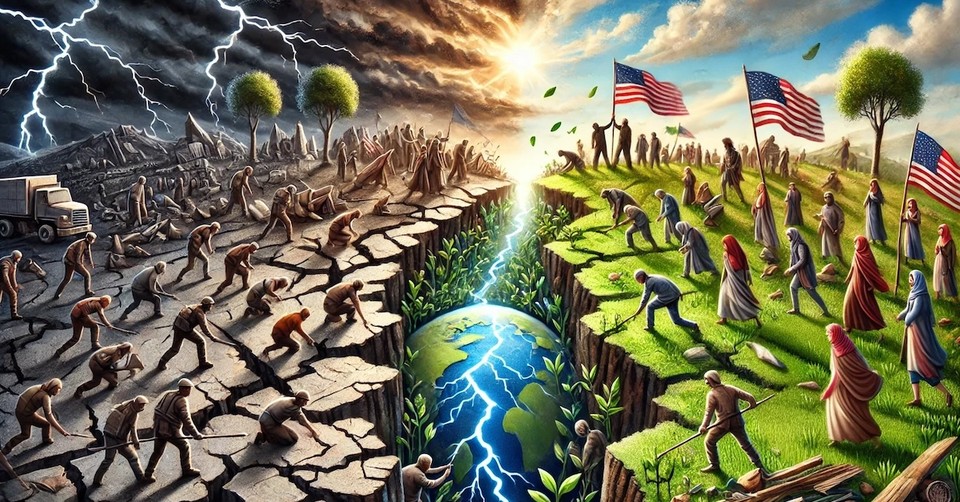
Nation Grips as Divide Deepens
Introduction
Have you noticed it too? That gnawing feeling that something’s not quite right? That the common ground we used to stand on is starting to feel like shifting sand? You’re not alone. From dinner table debates turning into shouting matches to the echo chambers online, the chasm separating us seems to be widening. Our nation is gripping, holding on tight as the divide deepens, and the question on everyone’s mind is: how do we bridge it?
This isn’t just political rhetoric. It’s affecting our communities, our families, and even our own mental well-being. It’s the reason we’re hesitant to bring up certain topics with friends, why we scroll past opposing viewpoints online, and why we feel this pervasive sense of unease. It’s a problem with real, tangible consequences, and ignoring it won’t make it disappear.
Explanation of the Problem
The Short-Term Stings
In the immediate aftermath of deepening division, the effects are palpable. We see increased political polarization, leading to governmental gridlock and an inability to address critical issues effectively. Think of the stalled infrastructure bill that could have brought much-needed jobs and economic stimulus but got bogged down in partisan bickering.
Beyond politics, our social fabric weakens. Communities become fragmented as people retreat into like-minded groups, fostering suspicion and distrust of those outside. Local economies can suffer as businesses face boycotts based on perceived political affiliations. The rise in online harassment and the spread of misinformation further exacerbate these problems, creating a toxic environment where constructive dialogue is nearly impossible.
Perhaps most significantly, the short-term impact on our mental health is undeniable. Constantly being exposed to negativity, conflict, and opposing viewpoints can lead to anxiety, stress, and even depression. We become more isolated, less tolerant, and increasingly cynical.
The Long Shadow of Division
While the short-term effects are concerning, the long-term consequences of a deeply divided nation are even more dire. If left unchecked, this chasm can lead to:
- Erosion of Democratic Institutions: When trust in institutions erodes, the very foundations of our democracy are threatened. Increased political violence, voter suppression efforts, and the spread of extremist ideologies become more prevalent.
- Economic Disparity: A fragmented society hinders economic growth. When businesses struggle due to boycotts or political instability, jobs are lost, and innovation stagnates. Moreover, systemic inequalities can worsen as political agendas prioritize certain groups over others.
- Social Unrest and Conflict: A society divided along ideological lines is prone to social unrest and conflict. History is replete with examples of nations torn apart by internal divisions, leading to instability, violence, and even civil war.
- Compromised National Security: Internal divisions can weaken a nation’s ability to address external threats. When trust and cooperation are lacking, it becomes difficult to forge a united front against common enemies.
Solutions
Bridging the Divide: Practical Solutions for a Divided Nation
The good news is that we’re not powerless. While the problem seems overwhelming, there are concrete steps we can take, both individually and collectively, to start bridging the divide. The key is to focus on empathy, understanding, and a willingness to engage in respectful dialogue.
- Cultivate Empathy and Active Listening:
This starts with a conscious effort to understand perspectives different from our own. Instead of immediately judging or dismissing opposing viewpoints, try to listen with genuine curiosity. Ask questions like, “Why do you feel that way?” or “Can you help me understand your perspective?”
Example: Before engaging in a political debate with a family member, try asking them about their personal experiences and beliefs that shape their political views. You might discover shared values and common ground that you didn’t realize existed.
- Seek Out Diverse Sources of Information:
In the age of algorithms and personalized news feeds, it’s easy to get trapped in echo chambers. Actively seek out news sources and perspectives that challenge your own beliefs. This doesn’t mean you have to agree with everything you read, but it will expose you to different viewpoints and help you develop a more nuanced understanding of complex issues.
Example: Instead of relying solely on your preferred news channel, try reading articles from publications with different political leanings. Engage with independent journalists and researchers who offer diverse perspectives.
- Practice Civility and Respect in Online Interactions:
Online discussions often devolve into personal attacks and name-calling. Resist the urge to engage in such behavior. Instead, focus on presenting your arguments respectfully and addressing the issues at hand, not the person making the argument.
Example: Before posting a comment on social media, ask yourself: “Is this comment constructive? Is it respectful? Does it contribute to a meaningful dialogue?” If the answer is no, consider rewriting it or not posting it at all.
- Engage in Community Building Activities:
Participating in community events and initiatives that bring people together from different backgrounds can help foster understanding and build bridges. This could involve volunteering for a local charity, joining a community garden, or attending neighborhood meetings.
Example: Organizing a community cleanup day or a potluck where neighbors from different backgrounds can share food and stories. This provides an opportunity to connect on a human level and build relationships.
- Support Organizations that Promote Dialogue and Understanding:
Many organizations are working to bridge divides and foster constructive dialogue. Consider supporting these organizations through donations or volunteer work.
Example: Supporting organizations that promote media literacy and combat misinformation. These organizations empower people to critically evaluate information and make informed decisions.
- Focus on Shared Values and Common Goals:
Despite our differences, we all share common values such as freedom, justice, and equality. Focusing on these shared values can help us find common ground and work together to achieve common goals.
Example: Even if you disagree with someone on the issue of immigration, you can still find common ground in the desire for a safe and prosperous community for everyone.
- Promote Education and Critical Thinking:
Education plays a crucial role in fostering understanding and critical thinking skills. Support initiatives that promote civic education, media literacy, and critical thinking in schools and communities.
Example: Advocating for curriculum changes that emphasize critical thinking skills and expose students to diverse perspectives.
Alternative Approaches:
- Deliberative Democracy: This approach involves bringing together citizens from diverse backgrounds to deliberate on public issues and develop recommendations for policymakers. It emphasizes reasoned debate, mutual understanding, and consensus-building.
- Truth and Reconciliation Commissions: These commissions have been used in various countries to address past injustices and promote reconciliation. They involve acknowledging past wrongs, providing reparations to victims, and fostering dialogue between different groups.
- Restorative Justice: This approach focuses on repairing harm and restoring relationships between victims and offenders. It can be used to address interpersonal conflicts, community disputes, and even systemic injustices.
Conclusion
A Call to Action: Rebuilding Common Ground
The deepening divide in our nation is a complex challenge that requires a multi-faceted approach. There is no easy fix, but by taking these steps, we can begin to rebuild common ground and foster a more united and resilient society.
It’s time to stop scrolling past opposing viewpoints. It’s time to step outside our echo chambers and engage in meaningful conversations. It’s time to prioritize empathy, understanding, and a willingness to work together for the common good.
This isn’t someone else’s problem to solve. It’s our problem. And just as the problem is ours, so is the solution. Let’s start by choosing one small step today. Listen to a perspective different from your own. Reach out to someone with whom you disagree. Support an organization working to bridge divides.
The path forward won’t be easy. There will be setbacks and challenges along the way. But if we commit to working together, we can create a future where our differences are celebrated, our common values are upheld, and our nation is truly united. The future is not set in stone, and your actions today can help to make a significant difference. Let’s choose unity over division, understanding over animosity, and hope over despair. The time for action is now.
