
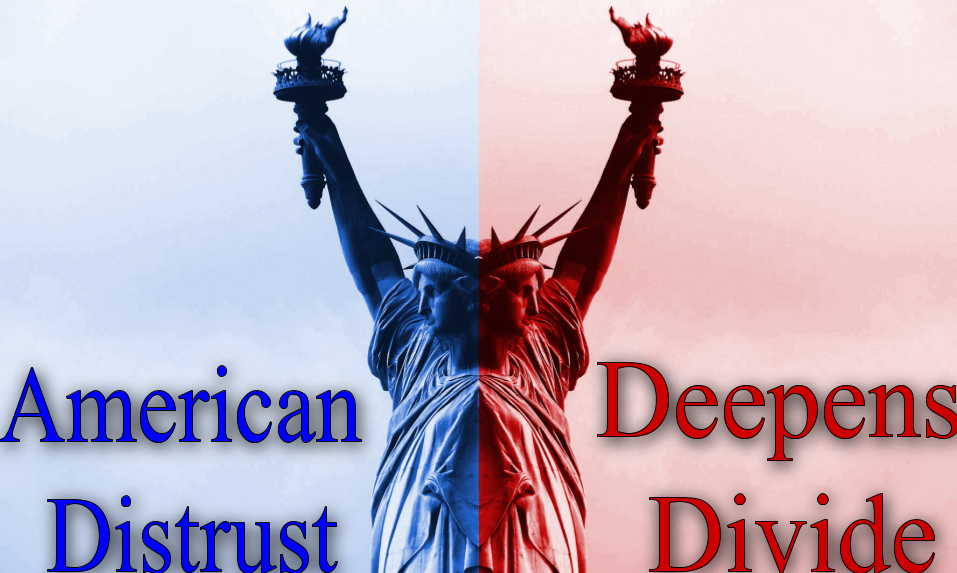
America’s Divide Deepens:Trust Erodes
Introduction
Remember those old Western movies where the good guys and bad guys were clearly defined? White hats versus black hats? Things aren’t so simple anymore, are they? America feels less like a unified nation and more like a fractured landscape, where trust—the bedrock of any healthy society—is crumbling faster than a poorly made taco. This isn’t just about political squabbles; it’s a deep, unsettling chasm that affects everything from our personal relationships to the future of our country.
But how did we get here? And more importantly, how do we bridge this divide before it’s too late? Buckle up, because we’re diving deep into the heart of America’s trust deficit and exploring practical ways to rebuild what’s been broken.
The Cracks in the Foundation: What’s Fueling the Divide?
Let’s be honest, pointing fingers is easy. Blaming the media, politicians, or social media algorithms is tempting, but the truth is far more complex. A multitude of factors are conspiring to widen the gap:
- Echo Chambers and Algorithmic Bubbles: We’re increasingly living in self-selected information silos. Social media algorithms, designed to keep us engaged, often prioritize content that confirms our existing beliefs, reinforcing biases and making it harder to encounter opposing viewpoints. Think about your own social media feed. Does it truly reflect the diversity of opinion that exists in the country, or is it mostly filled with people who agree with you?
- Erosion of Local Journalism: The decline of local newspapers and news outlets has left a vacuum, making communities more vulnerable to misinformation and propaganda. When people don’t have access to reliable local news, they’re less informed about the issues that directly affect their lives, leading to disengagement and a greater susceptibility to divisive narratives.
- Economic Inequality: The widening gap between the rich and poor breeds resentment and distrust. When large segments of the population feel left behind, they’re more likely to lose faith in institutions and systems perceived as favoring the elite.
- Polarized Political Landscape: Let’s face it, politics has become a blood sport. Compromise is often seen as weakness, and demonizing the opposition is the name of the game. This constant state of political warfare fosters animosity and makes it harder to find common ground.
- Lack of Civil Discourse: We’ve lost the art of disagreeing respectfully. Online discussions often devolve into personal attacks and shouting matches, further entrenching positions and making productive dialogue impossible.
The Short-Term and Long-Term Consequences: A Nation in Peril?
The erosion of trust has serious ramifications, both now and for the future:
- Short-Term Turmoil:
- Political Gridlock: A lack of trust makes it nearly impossible for politicians to work together, leading to legislative gridlock and a failure to address pressing national issues.
- Social Unrest: When people lose faith in institutions, they’re more likely to engage in protests, civil disobedience, and even violence.
- Public Health Crisis: During times of crisis, like a pandemic, a lack of trust in public health officials can lead to widespread resistance to safety measures, prolonging the crisis and increasing its impact.
- Long-Term Implications:
- Weakened Democracy: A society where people don’t trust their government or each other is ripe for authoritarianism.
- Economic Stagnation: Trust is essential for economic growth. When businesses and individuals don’t trust each other, they’re less likely to invest and innovate.
- Social Fragmentation: The long-term erosion of trust can lead to a deeply divided society, where people are isolated and unable to connect with those who hold different views.
- Decline in Civic Engagement: A sense of hopelessness and disengagement discourages people from participating in their communities and working towards positive change.
Rebuilding the Bridges: Practical Solutions for a Divided Nation
The good news? This isn’t a terminal diagnosis. We can heal the divide and rebuild trust, but it requires a concerted effort from all of us. Here are some practical solutions:
- Cultivate Media Literacy: In a world awash in information, it’s crucial to develop critical thinking skills and learn how to evaluate sources for bias and accuracy.
- Action: Take a media literacy course, or simply start by questioning everything you read and hear.
- Example: The News Literacy Project offers excellent resources for educators and individuals.
- Engage in Active Listening: Practice listening to understand, not just to respond. Seek out diverse perspectives and be willing to challenge your own assumptions.
- Action: Before sharing your opinion, make sure you can accurately summarize the other person’s viewpoint.
- Example: The “Living Room Conversations” project brings people together to discuss divisive issues in a respectful and structured environment.
- Support Local Journalism: Subscribe to your local newspaper or news website. Attend community meetings and engage with local leaders.
- Action: Donate to a local news organization or volunteer your time.
- Example: Report for America places talented journalists in local newsrooms across the country, helping to strengthen community reporting.
- Promote Civic Education: Ensure that schools are teaching students about civics, history, and the importance of democratic institutions.
- Action: Advocate for civic education in your local schools.
- Example: Generation Citizen is a non-profit organization that empowers young people to take action on issues they care about.
- Bridge the Political Divide: Seek out opportunities to connect with people who hold different political views. Focus on finding common ground and building relationships.
- Action: Join a bipartisan organization or attend a political debate with an open mind.
- Example: Braver Angels is a national organization that brings liberals and conservatives together to discuss divisive issues and build understanding.
- Promote Transparency and Accountability: Demand greater transparency from government officials and hold them accountable for their actions.
- Action: Contact your elected officials and let them know that you value transparency and accountability.
- Example: The Sunlight Foundation is a non-profit organization that advocates for greater transparency in government.
Alternative Approaches:
- Community-Based Initiatives: Support local organizations that are working to address social and economic inequalities in your community.
- Restorative Justice: Explore restorative justice practices as a way to address conflict and build trust within communities.
- Mental Health Support: Recognize that the stress and anxiety of living in a divided society can take a toll on mental health. Seek professional help if needed.
A Call to Action: Rebuilding Trust, One Step at a Time
America’s divide is real, but it’s not insurmountable. By taking concrete steps to cultivate media literacy, engage in active listening, support local journalism, promote civic education, bridge the political divide, and demand transparency, we can begin to rebuild trust and heal the wounds that divide us.
This isn’t a quick fix; it’s a long-term commitment. It requires patience, empathy, and a willingness to step outside of our comfort zones. But the rewards are immense: a stronger, more united nation where people can come together to solve problems and build a better future for all.
Don’t let despair win. Don’t let the news headlines define your perspective. Choose to be part of the solution. One conversation, one act of kindness, one moment of understanding – that’s how we begin to weave back together the fabric of our nation. Let’s start today. The future of America depends on it.
