
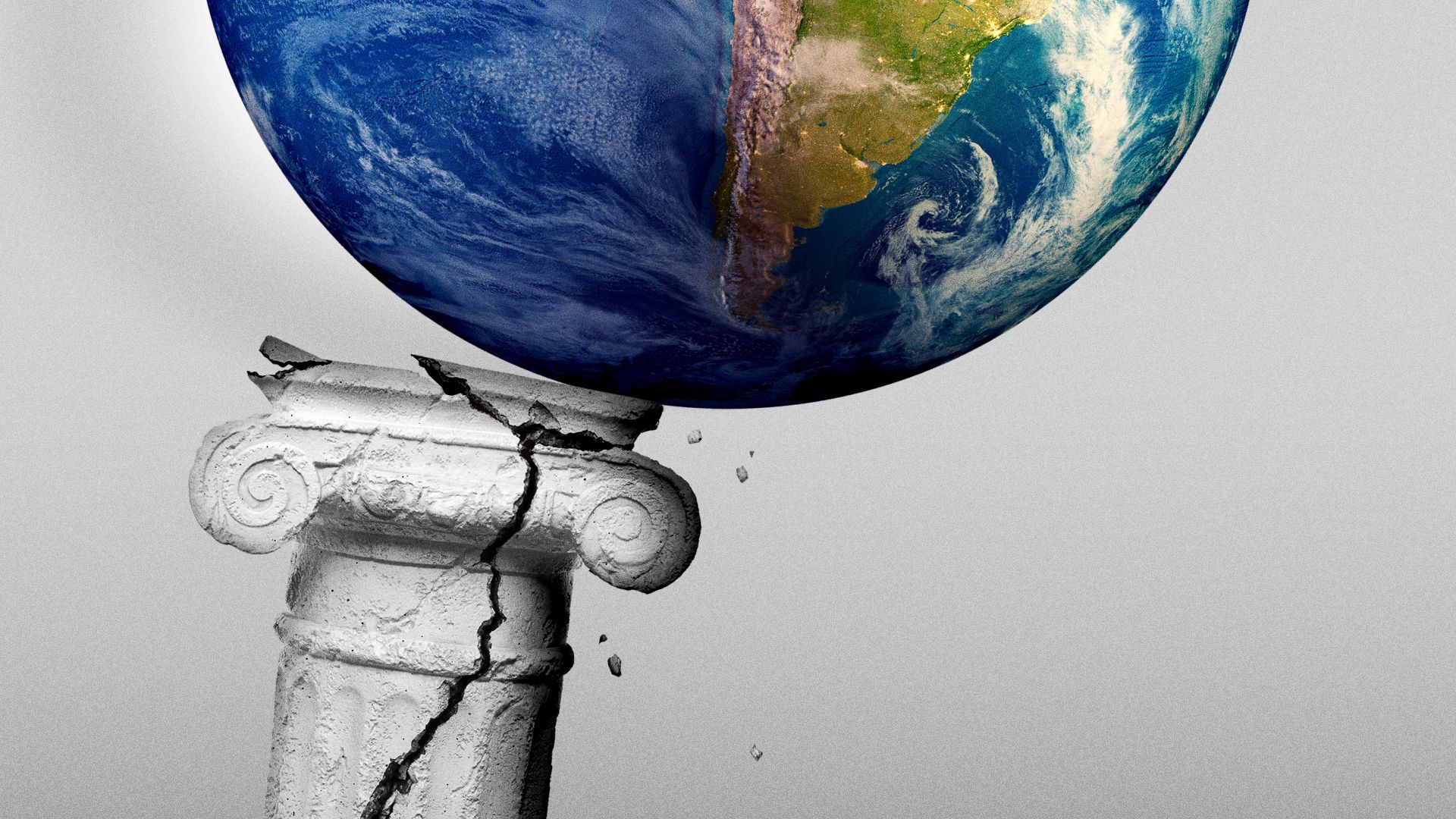
BREAKING: World on Edge
Introduction
Let’s be honest, lately it feels like we’re all teetering on the edge of something. Whether it’s the relentless news cycle, the pressures of modern life, or a general sense of unease, the feeling of being “on edge” is becoming increasingly common. But what does it really mean to live in a world perpetually on edge, and more importantly, what can we do about it?
This isn’t just about individual stress; it’s about a collective anxiety that’s seeping into every facet of our lives – from our economies to our relationships. We’re seeing it manifest in rising political polarization, increased social unrest, and a general sense of distrust. So, let’s unpack this “on edge” feeling, explore its impacts, and, crucially, figure out some practical ways to regain our footing.
The Short-Term Shockwaves: Living in a Constant State of Alert
The immediate effects of living in a world on edge are palpable. We’re seeing:
- Burnout and Exhaustion: The constant barrage of information, often negative, leads to mental fatigue. Our brains are wired to react to threats, and when those threats are perpetually present (even if they’re just on our screens), we become chronically stressed.
- Decision Fatigue: Overwhelmed by choices and anxieties, we struggle to make even simple decisions. This paralysis can impact productivity, relationships, and overall well-being.
- Erosion of Trust: The spread of misinformation and the growing divide between different viewpoints erode trust in institutions, media, and even each other. This can lead to social fragmentation and increased conflict.
- Increased Anxiety and Mental Health Issues: It’s no surprise that rates of anxiety and depression are climbing. The constant pressure to stay informed and react to crises takes a toll on our mental health.
The Long-Term Ripple Effects: Shaping Our Future
Beyond the immediate anxieties, the long-term impacts of a world on edge are even more profound:
- Economic Instability: The “on edge” mentality fuels risk aversion and volatile markets. Businesses hesitate to invest, consumers pull back on spending, and the economy becomes more susceptible to shocks.
- Political Polarization: Fear and anxiety breed division. People retreat to echo chambers, reinforcing their existing beliefs and demonizing those who disagree. This makes compromise and cooperation increasingly difficult, leading to political gridlock and instability.
- Social Disintegration: When trust erodes, communities unravel. People become less willing to engage in civic life, volunteer, or help their neighbors. This weakens the social fabric that holds society together.
- Stunted Innovation: A climate of fear stifles creativity and innovation. When people are afraid to take risks or challenge the status quo, progress slows down.
So, What Can We Do? Practical Solutions for a World on Edge
The good news is, we’re not helpless. We can take concrete steps, both individually and collectively, to navigate this challenging landscape. Here are a few practical approaches:
- Information Diet & Mindful Consumption:
- The Solution: Just like we monitor our physical diets, we need to be mindful of our information intake. Limit exposure to constant news updates. Choose reliable sources and avoid sensationalized or biased reporting. Designate “news-free” times each day.
- Example: Instead of scrolling through social media for the latest headlines every hour, schedule 15 minutes in the morning and 15 minutes in the evening to catch up on the most important news.
- Alternative Approach: Practice “slow news” consumption. Seek out in-depth analysis and long-form articles that provide context and nuance rather than just headlines.
- Cultivate Critical Thinking:
- The Solution: Equip yourself with the skills to evaluate information objectively. Learn to identify biases, fact-check claims, and consider different perspectives.
- Example: Before sharing an article online, take a few minutes to verify the source and check if the information is corroborated by other reputable outlets.
- Alternative Approach: Participate in workshops or online courses on media literacy and critical thinking.
- Build Bridges, Not Walls:
- The Solution: Actively seek out opportunities to connect with people who hold different viewpoints. Engage in respectful dialogue, listen to understand, and find common ground.
- Example: Join a community organization that brings together people from diverse backgrounds to work on a shared goal.
- Alternative Approach: Instead of engaging in online arguments, initiate conversations with people you disagree with in a neutral setting, focusing on finding areas of agreement.
- Prioritize Mental Well-being:
- The Solution: Make self-care a priority. Practice mindfulness, engage in activities that bring you joy, and connect with loved ones. Seek professional help if you’re struggling.
- Example: Dedicate 30 minutes each day to meditation, yoga, or simply spending time in nature.
- Alternative Approach: Explore different stress-reduction techniques, such as deep breathing exercises or progressive muscle relaxation.
- Focus on Local Action:
- The Solution: Instead of feeling overwhelmed by global problems, focus on making a positive impact in your own community. Volunteer, support local businesses, and engage in civic activities.
- Example: Participate in a local park cleanup, donate to a food bank, or attend a town hall meeting.
- Alternative Approach: Identify a specific issue you care about in your community and get involved in a local organization that is working to address it.
- Foster Empathy and Compassion:
- The Solution: Remind yourself that everyone is struggling in their own way. Practice empathy and compassion towards others, even those you disagree with.
- Example: When encountering someone who is acting rudely or aggressively, try to understand what might be causing their behavior instead of reacting defensively.
- Alternative Approach: Volunteer at a homeless shelter or soup kitchen to gain a better understanding of the challenges faced by marginalized communities.
- Digital Detox:
- The Solution: Regularly disconnect from digital devices and social media. This allows your mind to rest and recharge, reducing stress and anxiety.
- Example: Designate one day each week as a “digital detox” day, where you avoid using electronic devices as much as possible.
- Alternative Approach: Set specific time limits for social media use and stick to them. Use apps that track your screen time and alert you when you’ve reached your limit.
Case Study: Iceland’s Approach to Mental Well-being
Iceland offers a compelling example of a nation proactively addressing collective anxiety. Faced with high rates of teenage substance abuse and mental health issues in the late 1990s, Iceland implemented a comprehensive program focused on promoting healthy activities and strengthening social connections. This included increased funding for recreational activities, curfews for teenagers, and initiatives to encourage family time. The results were remarkable: rates of teenage smoking, drinking, and drug use plummeted, and overall well-being improved. This demonstrates that a collective, community-based approach can effectively combat the “on edge” mentality and create a more resilient society.
A Future We Can Shape: Moving From Anxiety to Action
Living in a world on edge is undoubtedly challenging. But it’s not an insurmountable obstacle. By embracing mindful consumption, cultivating critical thinking, building bridges, prioritizing mental well-being, focusing on local action, and fostering empathy, we can reclaim our sense of control and create a more peaceful and sustainable future.
This isn’t about ignoring the problems we face. It’s about facing them with clarity, resilience, and a commitment to positive action. It’s about recognizing that we are not passive victims of circumstance, but active agents of change.
So, take a deep breath, choose one or two of these solutions that resonate with you, and start today. You might be surprised at how much difference a little action can make, not just in your own life, but in the world around you. The edge might still be there, but with the right tools and a renewed sense of purpose, we can stand firm and build a better future together.
