
SHOCKWAVE:Global Crisis Unfolds
Introduction
Remember that feeling you get when you drop your phone and watch it tumble in slow motion, knowing disaster is imminent? That’s kind of how the world feels right now. A seismic shift, a shockwave rippling across the globe, and the impact is hitting closer to home than you might realize. We’re not talking about a meteor strike or an alien invasion (though, let’s be honest, anything’s possible these days). We’re talking about something far more insidious, more complex, and frankly, more concerning: a multifaceted crisis impacting everything from our wallets to our well-being, and it demands our attention.
So, what exactly is this “shockwave” and why should you care? Let’s dive in.
The Anatomy of a Shockwave: Understanding the Crisis
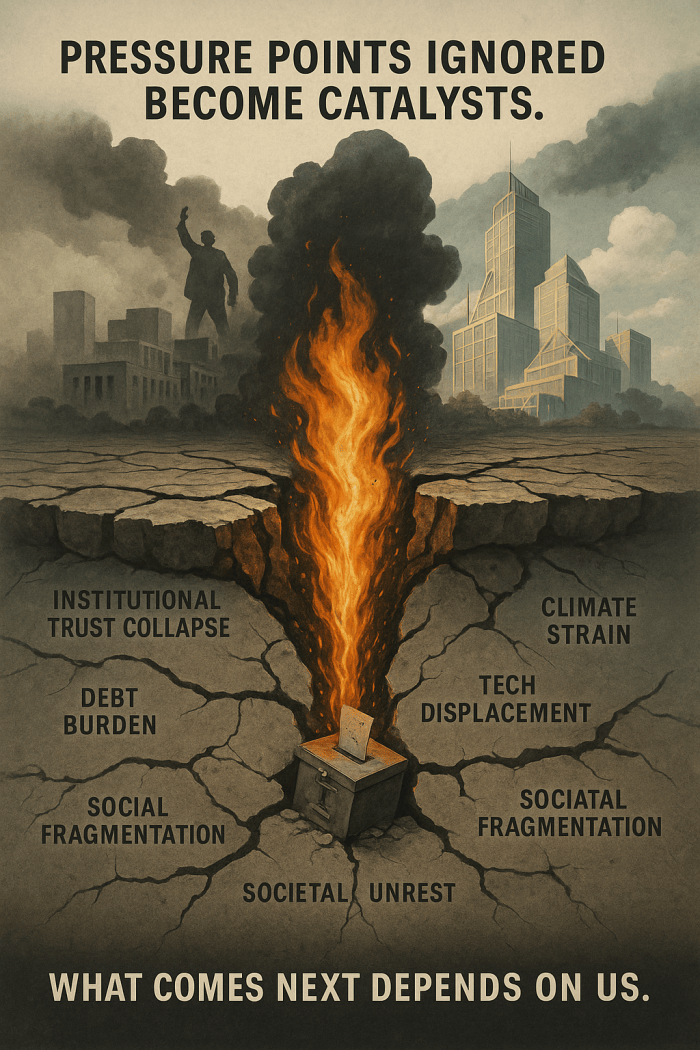
Instead of pinpointing one single catastrophic event, imagine a constellation of interconnected problems all reaching critical mass simultaneously. Think of climate change accelerating at an alarming rate, resource scarcity becoming a stark reality, geopolitical tensions simmering just below the surface, and economic instability threatening to unravel the fabric of global trade. Individually, each of these presents a formidable challenge. But collectively, they create a perfect storm, a shockwave that threatens to destabilize our world as we know it.
One of the most immediate impacts we’re already seeing is on our wallets. Inflation is biting, making everyday essentials like groceries and fuel increasingly expensive. Supply chain disruptions, exacerbated by geopolitical tensions and extreme weather events, are causing shortages and price hikes. Businesses are struggling to navigate this volatile landscape, leading to job losses and economic uncertainty. This isn’t just some abstract economic concept; it’s impacting families, communities, and livelihoods.
Looking further down the line, the long-term consequences are even more profound. Climate change, left unchecked, will lead to more frequent and intense extreme weather events, displacing populations, damaging infrastructure, and disrupting agriculture. Resource scarcity, particularly water and arable land, will likely fuel conflict and mass migration. Social unrest and political instability could become the norm as societies grapple with the fallout of these interconnected crises. It’s a sobering picture, to say the least.
Feeling Helpless? Think Again: Practical Solutions You Can Embrace
Okay, so we’ve painted a pretty bleak picture. But here’s the good news: we’re not powerless. We can mitigate the impact of this shockwave and build a more resilient future. The key is to adopt a proactive, solutions-oriented approach. And the best part? Many of these solutions are surprisingly practical and accessible.
Here are a few ideas to get you started:
- Become a Conscious Consumer: This isn’t about deprivation; it’s about making informed choices. Prioritize local and sustainable products, reducing your carbon footprint and supporting local businesses. Consider reducing your consumption of resource-intensive products like fast fashion. For example, instead of buying a new outfit for every occasion, explore second-hand clothing stores or clothing swaps with friends.
- Invest in Energy Efficiency: Small changes can make a big difference. Switch to LED lighting, insulate your home, and unplug electronics when not in use. Explore renewable energy options like solar panels, if feasible. Even something as simple as turning down your thermostat a few degrees in winter can significantly reduce your energy consumption and save you money.
- Embrace Sustainable Transportation: Walk, bike, or use public transportation whenever possible. If you need a car, consider a hybrid or electric vehicle. Carpooling is another great way to reduce your environmental impact and save on fuel costs. In cities like Copenhagen, Denmark, cycling is a way of life, contributing to a healthier environment and a more vibrant community.
- Get Involved in Your Community: Support local initiatives that promote sustainability and resilience. Volunteer your time, participate in community gardens, or advocate for policy changes that address climate change and resource scarcity. Collective action is essential for creating meaningful change.
- Educate Yourself and Others: Stay informed about the challenges facing our world and share your knowledge with others. Engage in conversations, participate in discussions, and challenge misinformation. Knowledge is power, and the more people who understand the issues, the more likely we are to find solutions.
Alternative Approaches: Tailoring Solutions to Your Situation
The beauty of these solutions is that they can be adapted to fit your individual circumstances. Not everyone can afford solar panels or an electric car, but everyone can make small changes to their lifestyle that contribute to a more sustainable future.
Here are a few alternative approaches to consider:
- Focus on Food Waste Reduction: Food waste is a major contributor to greenhouse gas emissions and resource depletion. Plan your meals, store food properly, and compost food scraps. There are many resources available online to help you reduce food waste in your home.
- Support Businesses with Sustainable Practices: Choose to support companies that are committed to environmental and social responsibility. Look for certifications like B Corp or Fair Trade, which indicate that a company meets certain standards of sustainability.
- Advocate for Policy Changes: Contact your elected officials and urge them to support policies that address climate change, promote renewable energy, and protect natural resources. Collective action is essential for creating systemic change.
- Learn New Skills: Acquire skills that will be in demand in the future, such as renewable energy installation, sustainable agriculture, or environmental engineering. These skills can help you secure employment in a growing sector and contribute to a more sustainable economy.
The Path Forward: Embracing Optimism and Taking Action
The shockwave we’re experiencing is undoubtedly challenging, but it also presents an opportunity. An opportunity to rethink our priorities, reimagine our systems, and build a more resilient and sustainable future. It requires us to move beyond despair and embrace a spirit of optimism and action.
Remember, even small changes can make a big difference. By adopting a conscious consumer mindset, investing in energy efficiency, embracing sustainable transportation, and getting involved in our communities, we can collectively mitigate the impact of this shockwave and create a brighter future for ourselves and generations to come.
This isn’t just about survival; it’s about thriving. It’s about creating a world where everyone has access to clean air, clean water, and a healthy environment. It’s about building a more just and equitable society where everyone has the opportunity to reach their full potential.
So, let’s embrace the challenge, take action, and create the future we want to see. The shockwave may be here, but our resilience and our determination to build a better world are even stronger. Let’s get to work.
