
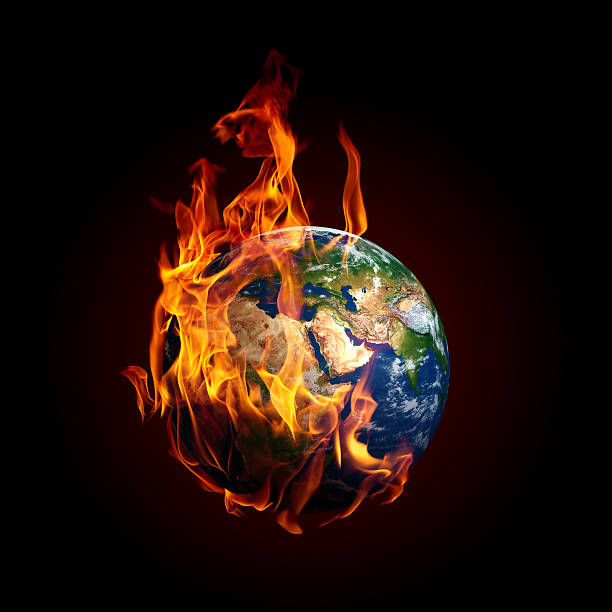
The World on Fire (But It’s Not Too Late to Grab a Hose)
Introduction
Okay, let’s be honest. When you hear “The World on Fire,” your brain probably jumps to images of apocalyptic landscapes, maybe a Mad Max-esque scenario, or just general doom and gloom. And while the current state of our planet isn’t exactly a picnic, it’s also not a lost cause. This isn’t about scaring you; it’s about waking you up. It’s about understanding the very real challenges we face and, more importantly, realizing we have the power to make a difference. Think of it less as a disaster movie and more as a puzzle we can solve together.
Explanation of the Problem
So, what exactly is “on fire?” Well, it’s a multifaceted problem – a tangled web of environmental, social, and economic issues all feeding off each other. We’re talking about climate change, resource depletion, deforestation, pollution, and biodiversity loss. Individually, each of these is a serious threat. Combined, they create a crisis that demands our attention and, most crucially, our action.
Feeling the Heat: Short-Term Impacts
The short-term effects of this metaphorical inferno are already making headlines. We’re seeing:
- Extreme Weather Events: Heatwaves are becoming more frequent and intense, droughts are crippling agriculture, and devastating floods are displacing communities. Think of the recent flooding in Pakistan or the scorching temperatures in Europe. These aren’t isolated incidents; they’re becoming the new normal.
- Food Security Issues: Erratic weather patterns are disrupting crop yields, leading to food shortages and price increases. This disproportionately affects vulnerable populations, exacerbating existing inequalities.
- Public Health Crises: Air pollution is contributing to respiratory illnesses and other health problems, while extreme heat is putting a strain on healthcare systems.
- Economic Instability: Natural disasters can cripple economies, disrupt supply chains, and lead to job losses. The insurance industry is already feeling the pressure, with payouts for climate-related events soaring.
Playing the Long Game: Long-Term Consequences
The long-term consequences are even more daunting. If we don’t act decisively, we risk:
- Sea Level Rise: Coastal cities and island nations could become uninhabitable, leading to mass migrations and geopolitical instability.
- Ecosystem Collapse: We could witness the extinction of countless species, disrupting ecosystems and impacting the services they provide, such as clean air and water.
- Resource Scarcity: Competition for dwindling resources like water and arable land could lead to conflicts and further instability.
- Irreversible Climate Change: We could reach a point of no return, triggering feedback loops that accelerate warming and make it impossible to reverse the damage.
Solutions
Okay, Enough Gloom and Doom! What Can We Actually DO?
The good news is that we’re not powerless. We have the knowledge, the technology, and, hopefully, the will to tackle these challenges. Here are some practical, actionable solutions, broken down into different approaches:
- Embrace Renewable Energy (and Ditch the Fossil Fuels):
This is arguably the most crucial step. We need to transition away from fossil fuels and embrace renewable energy sources like solar, wind, and geothermal.
- The Big Picture: Governments need to incentivize renewable energy development, invest in grid infrastructure, and phase out fossil fuel subsidies.
- Your Role: Support policies that promote renewable energy, consider installing solar panels on your home, and choose energy-efficient appliances. Even switching to a renewable energy provider can make a difference.
Example: Denmark has made huge strides in renewable energy adoption. Wind power accounts for a significant portion of its electricity production, and the country has ambitious goals for further expansion.
- Prioritize Sustainable Agriculture and Food Systems:
Our food systems are a major contributor to greenhouse gas emissions and environmental degradation. We need to shift towards more sustainable practices.
- The Big Picture: Promote agroecology, reduce food waste, and support farmers who are adopting sustainable farming methods.
- Your Role: Eat less meat (especially beef), buy local and seasonal produce, reduce food waste at home, and support farmers markets. Consider starting a garden or joining a community-supported agriculture (CSA) program.
Example: The rise of vertical farming is a promising development. These indoor farms use less water and land than traditional agriculture, and they can be located in urban areas, reducing transportation emissions.
- Protect and Restore Our Forests and Oceans:
Forests and oceans are vital carbon sinks, absorbing vast amounts of CO2 from the atmosphere. We need to protect them and restore degraded ecosystems.
- The Big Picture: Implement policies to prevent deforestation, invest in reforestation efforts, and protect marine ecosystems.
- Your Role: Support organizations that are working to protect forests and oceans, reduce your consumption of products that contribute to deforestation (like palm oil), and be mindful of your seafood choices.
Example: Costa Rica has been a leader in reforestation, increasing its forest cover from around 20% in the 1980s to over 50% today. This has not only helped to combat climate change but has also boosted tourism and biodiversity.
- Embrace the Circular Economy:
The linear “take-make-dispose” model is unsustainable. We need to move towards a circular economy, where resources are used more efficiently and waste is minimized.
- The Big Picture: Encourage businesses to design products that are durable, repairable, and recyclable. Implement policies to promote recycling and reduce waste.
- Your Role: Reduce your consumption, buy used items whenever possible, recycle properly, and compost food scraps. Support businesses that are committed to sustainability.
Example: Patagonia is a company that has embraced the circular economy by offering repair services for its products and encouraging customers to buy used clothing.
- Advocate for Change:
Individual actions are important, but we also need to advocate for systemic change.
- The Big Picture: Support political candidates who are committed to climate action, lobby your elected officials, and participate in peaceful protests.
- Your Role: Educate yourself on climate issues, talk to your friends and family about climate change, and use your voice to demand action.
Solutions – Pick Your Path:
It is important to realize that there is no single solution that is effective for everyone. Here are different approaches to tackle this issue, so you can choose the most practical one for your situation.
- The Minimalist: Make a few simple changes in your daily life. Reduce your meat consumption, switch to energy-efficient light bulbs, and recycle properly.
- The Enthusiast: Get more involved in community initiatives. Join a local environmental group, volunteer at a community garden, or participate in a tree-planting event.
- The Advocate: Use your voice to demand change. Contact your elected officials, support organizations that are working on climate solutions, and speak out against policies that are harmful to the environment.
- The Investor: Invest in sustainable companies or projects. Support businesses that are committed to environmental responsibility, or invest in renewable energy technologies.
- The Educator: Share your knowledge with others. Talk to your friends and family about climate change, or write articles or blog posts about environmental issues.
Conclusion
The world is facing unprecedented challenges, but we also have unprecedented opportunities. The solutions are within our reach. What’s needed now is the will to act. It’s time to shift our mindset from despair to determination, from apathy to action. Every small step makes a difference. Every conversation helps. Every policy change moves us closer to a sustainable future.
The “world on fire” narrative can feel overwhelming, but remember, even the biggest fires start with a single spark. Let’s choose to be the spark of change. Let’s work together to build a future where our planet thrives and future generations can enjoy a healthy and prosperous world. It won’t be easy, but it’s absolutely worth it. The time to grab a hose and start putting out the flames is now.
