
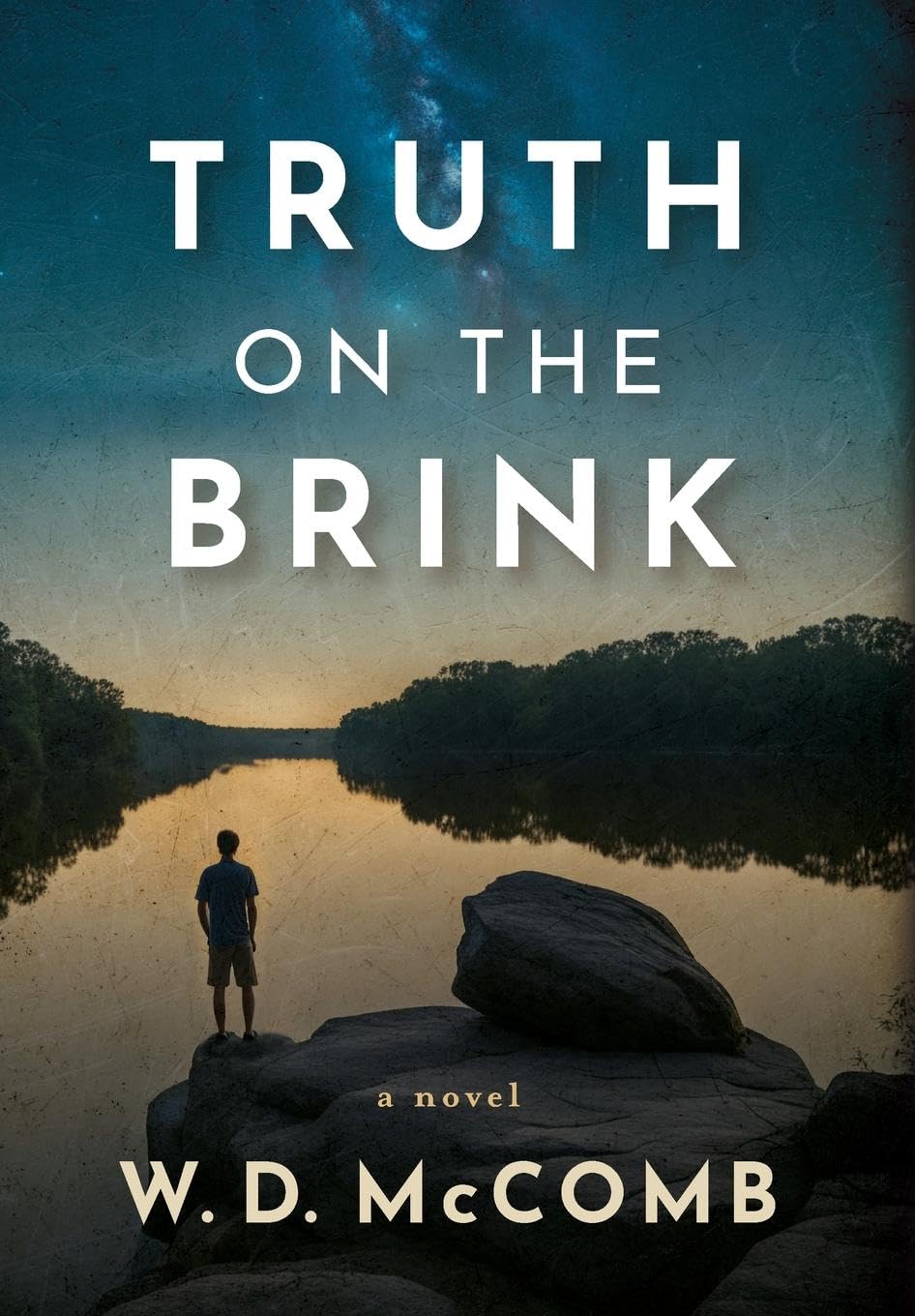
Truth on the Brink
Introduction
Have you ever felt like you’re wading through a swamp of information, unsure of what’s real and what’s… well, not? In today’s world, where news cycles churn faster than ever and opinions are shouted louder than facts, the truth often feels like it’s teetering on the brink. It’s a precarious position, and the potential fallout affects everything from our personal relationships to the future of our societies. So, let’s dive in and explore this challenge, its consequences, and what we can actually do about it.
The Short Game: Immediate Impacts
The erosion of truth isn’t some distant, theoretical problem; it’s impacting our lives right now. Think about the last time you saw a controversial article online. Did it spark an argument in the comments? Did it make you question something you previously believed? This is the immediate impact: fractured relationships, increased polarization, and a general sense of distrust.
Misinformation and disinformation, whether spread intentionally or unintentionally, can quickly escalate into real-world consequences. Consider the spread of health-related misinformation during the COVID-19 pandemic. False claims about treatments and preventative measures led to confusion, anxiety, and, in some cases, even harmful behaviors. People were making critical decisions based on information that simply wasn’t true.
This erosion also extends to our institutions. When people lose faith in reliable sources like the media, scientific institutions, and governmental bodies, the foundation of a healthy society begins to crumble. This can lead to apathy, disengagement, and even the embrace of extremist ideologies that thrive on distrust and conspiracy theories.
The Long Game: Shaping Our Future
While the immediate effects are concerning, the long-term impacts of a society where truth is devalued are even more profound. Imagine a world where critical thinking is replaced by knee-jerk reactions, where reasoned debate is drowned out by emotional rhetoric. This is the future we risk if we don’t actively defend the truth.
One of the most significant long-term consequences is the stifling of progress. Scientific advancement, technological innovation, and effective policymaking all rely on a shared understanding of facts and evidence. When truth becomes subjective or negotiable, these crucial pillars of progress weaken.
Furthermore, a society built on misinformation is vulnerable to manipulation. Authoritarian regimes and malicious actors can exploit the distrust and confusion to undermine democratic institutions and erode individual freedoms. The ability to discern truth is, therefore, not just a personal skill; it’s a cornerstone of a free and informed society.
So, What Can We Do? Practical Solutions for a Truthful Future
Okay, the picture might seem a little bleak, but the good news is that we’re not powerless. We can actively work to defend the truth and build a more informed and resilient society. Here are some practical solutions, each offering a different approach:
- Cultivate Critical Thinking Skills: This is the foundation of everything. We need to equip ourselves and future generations with the ability to analyze information, identify biases, and evaluate sources.
- How: Schools can integrate critical thinking exercises into their curricula. Online courses and workshops can provide adults with practical tools for discerning truth. Consider resources like the Poynter Institute’s “MediaWise” project, which offers free lessons on fact-checking and media literacy.
- Example: Instead of passively accepting information presented in a news article, ask yourself: Who is the author? What is their agenda? What evidence do they provide? Are there any conflicting viewpoints?
- Support Credible Journalism: Investigative journalism, fact-checking organizations, and reputable news outlets play a vital role in holding power accountable and providing accurate information.
- How: Subscribe to quality news sources. Support non-profit journalism initiatives. Report misinformation when you see it. Consider donating to organizations like the Committee to Protect Journalists, which defends the rights of journalists worldwide.
- Example: Before sharing a news article on social media, take a moment to verify the source and cross-reference the information with other reputable outlets.
- Be Mindful of Social Media: Social media platforms can be powerful tools for connecting and sharing information, but they can also be breeding grounds for misinformation.
- How: Be cautious about the information you consume and share online. Use fact-checking tools to verify claims. Engage in respectful dialogue with people who hold different views. Report accounts that spread misinformation.
- Example: Consider using browser extensions that automatically flag potentially false or misleading information on social media. Tools like “NewsGuard” provide credibility ratings for news websites.
- Embrace Open Dialogue: Creating spaces for open and honest conversations, even with people who hold opposing viewpoints, is crucial for bridging divides and fostering understanding.
- How: Engage in respectful debates, focusing on facts and evidence rather than personal attacks. Seek to understand the perspectives of others, even if you don’t agree with them. Participate in community forums and town hall meetings.
- Example: Instead of dismissing someone’s opinion as “wrong,” try asking them why they believe what they believe. Listen actively and seek to understand their reasoning.
- Promote Media Literacy in Communities: Launch local initiatives to teach media literacy to community members and to make them aware of fake news.
- How: Collaborate with local libraries and schools to organize educational workshops. Create support groups to discuss media and news. Teach how to verify online resources and understand digital information.
Conclusion: A Call to Action
The truth is indeed on the brink, but it’s not beyond saving. By cultivating critical thinking skills, supporting credible journalism, being mindful of social media, and embracing open dialogue, we can actively defend the truth and build a more informed and resilient society.
This isn’t a task for someone else; it’s a responsibility we all share. Even small actions, like fact-checking an article before sharing it or engaging in a respectful conversation with someone who holds a different view, can make a difference.
Let’s choose to be active participants in the fight for truth. Let’s choose to value evidence over emotion, reason over rhetoric, and understanding over division. The future of our society depends on it. The truth is worth fighting for, and together, we can bring it back from the brink.
