
World on Edge: Unfolding Crises Demand Attention
Introduction
Ever feel like you’re juggling flaming torches while riding a unicycle on a tightrope stretched over a pit of alligators? Yeah, that pretty much sums up the global vibe right now. From economic instability that’s making our wallets sweat, to climate change-induced disasters that are rewriting maps, and escalating geopolitical tensions that feel like a powder keg waiting for a spark, the world is, to put it mildly, *on edge*. But don’t reach for the panic button just yet. While the challenges are undeniably daunting, understanding them and exploring practical solutions can empower us to navigate these turbulent times. Let’s break it down.
The Perfect Storm: A Cocktail of Crises
What exactly is contributing to this global sense of unease? It’s not one single catastrophic event, but rather a confluence of interconnected issues all vying for our attention – and resources.
- Economic Uncertainty: Inflation is stubbornly high, interest rates are climbing, and whispers of recession are getting louder. This isn’t just abstract economic jargon; it translates into higher grocery bills, tougher job markets, and the lingering fear of financial instability for families worldwide. The short-term impact is felt acutely in households struggling to make ends meet. Long-term, it threatens to erode savings, delay major life decisions like buying a home or starting a family, and exacerbate existing inequalities.
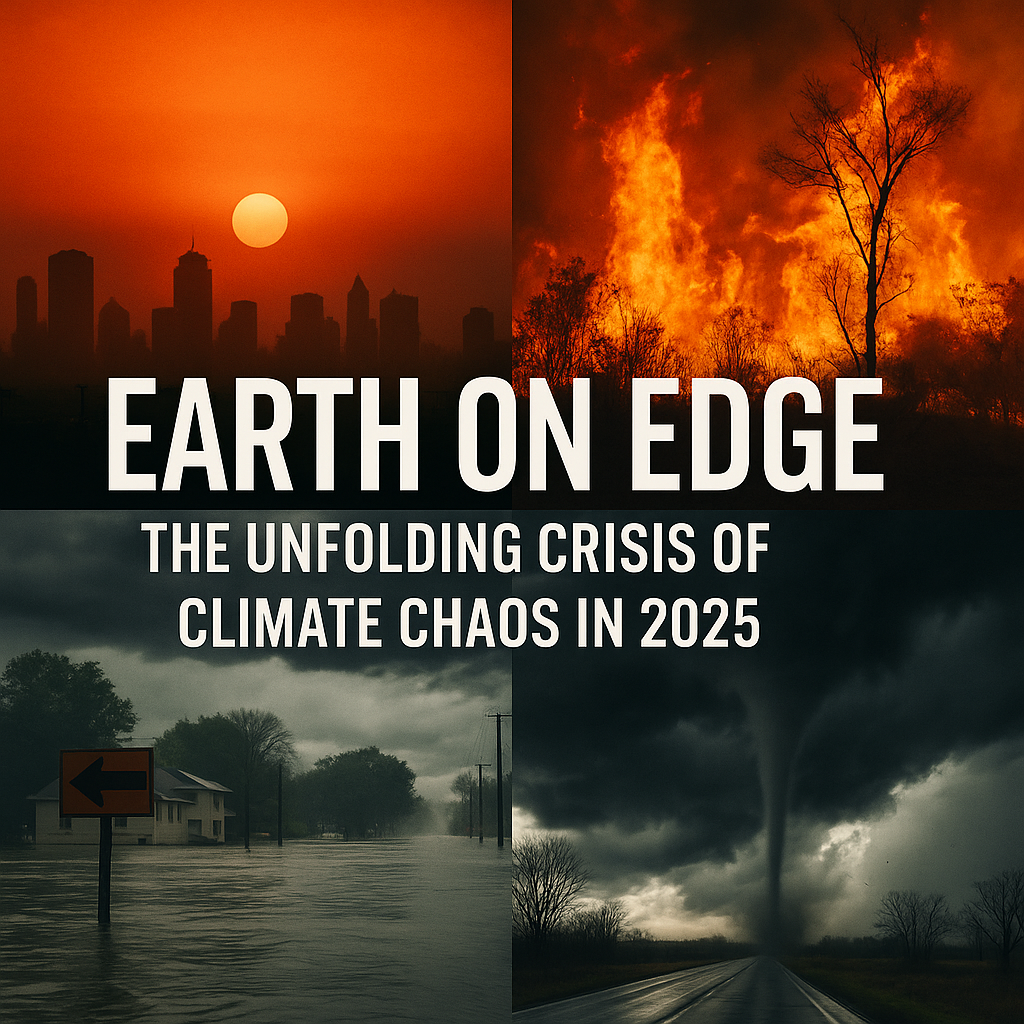
- Climate Catastrophe: The evidence is undeniable: extreme weather events are becoming more frequent and more severe. We’re talking about devastating floods in Pakistan, scorching heatwaves in Europe, and wildfires raging across continents. The immediate impact is heartbreaking – displacement, loss of life, and widespread destruction. But the long-term consequences are even more profound, threatening food security, water resources, and even forcing mass migrations as regions become uninhabitable.
- Geopolitical Instability: Tensions between nations are escalating, fueled by competing interests, historical grievances, and the rise of nationalism. From the war in Ukraine to ongoing conflicts in other regions, the human cost is staggering. The short-term consequences include humanitarian crises, economic disruptions, and the risk of further escalation. The long-term impact is the erosion of international cooperation, a potential arms race, and a world less safe and less predictable for everyone.
Why Should We Care? It’s All Connected
The interconnectedness of these crises is what makes them so challenging. A climate-induced drought can trigger food shortages, leading to social unrest and potentially fueling geopolitical conflicts. Economic instability can hinder investments in renewable energy, further exacerbating climate change. These issues are not isolated incidents; they are part of a complex web that requires a holistic approach. Ignoring any one aspect will only lead to a worsening of the overall situation.
From Anxiety to Action: Practical Solutions
Okay, so the picture isn’t exactly rosy. But dwelling on the problems won’t solve them. The good news is that we’re not powerless. Here are some practical solutions that can make a real difference, both on a personal and global scale:
- Bolstering Economic Resilience:
- Diversify Your Income Streams: Don’t put all your eggs in one basket. Explore freelance opportunities, passive income sources, or even starting a side hustle.
- Invest in Education and Skills: The job market is constantly evolving. Invest in training and education to stay relevant and competitive. Online courses, workshops, and certifications can open up new opportunities.
- Support Local Businesses: Strengthening local economies helps create jobs and reduces reliance on global supply chains that are vulnerable to disruption.
- Example: During the 2008 financial crisis, many individuals who had diversified their investments fared significantly better than those who relied solely on traditional stocks.
- Addressing Climate Change (One Step at a Time):
- Reduce Your Carbon Footprint: This doesn’t require becoming a hermit living off-grid. Simple changes like using public transport, reducing meat consumption, and switching to energy-efficient appliances can make a difference.
- Support Sustainable Businesses: Vote with your wallet by purchasing products from companies committed to environmental responsibility.
- Advocate for Climate Action: Contact your elected officials and urge them to support policies that promote renewable energy, reduce emissions, and protect natural resources.
- Example: The city of Copenhagen has committed to becoming carbon neutral by 2025, demonstrating that ambitious climate goals are achievable with strong political will and community engagement.
- Promoting Peace and Cooperation:
- Engage in Constructive Dialogue: Listen to different perspectives, challenge your own biases, and seek common ground with those who hold differing opinions.
- Support Humanitarian Organizations: Donate to organizations that provide aid and support to people affected by conflict and displacement.
- Promote Global Citizenship: Learn about different cultures and perspectives to foster empathy and understanding.
- Example: The work of the United Nations in facilitating dialogue between nations and providing humanitarian assistance highlights the importance of international cooperation in addressing global challenges.
Alternative Approaches: Tailoring Solutions to Your Circumstances
Not every solution is a one-size-fits-all. Consider these alternative approaches:
- Community Resilience Building: Focus on strengthening local communities by fostering social connections, promoting self-sufficiency, and preparing for potential disruptions.
- Technological Innovation: Support research and development in areas like renewable energy, sustainable agriculture, and carbon capture.
- Policy Advocacy: Engage in political activism to push for policies that address the root causes of the crises and promote systemic change.
- Individual Empowerment: Focus on personal growth, mindfulness, and self-care to build resilience and cope with stress.
A Reason for Optimism: Turning the Tide Together
Yes, the world is facing immense challenges. But challenges are also opportunities for innovation, collaboration, and growth. By understanding the interconnectedness of these crises and taking proactive steps, we can build a more resilient, sustainable, and equitable future.
It’s easy to feel overwhelmed, but remember that even small actions can have a ripple effect. Start by making small changes in your own life, supporting organizations that are working to make a difference, and advocating for policies that promote positive change.
The future is not predetermined. It is shaped by the choices we make today. Let’s choose to face these challenges with courage, determination, and a commitment to building a better world for ourselves and future generations. The world may be on edge, but so are we – on the edge of a new era of possibility, fueled by collective action and unwavering hope. Now, let’s get to work.
