
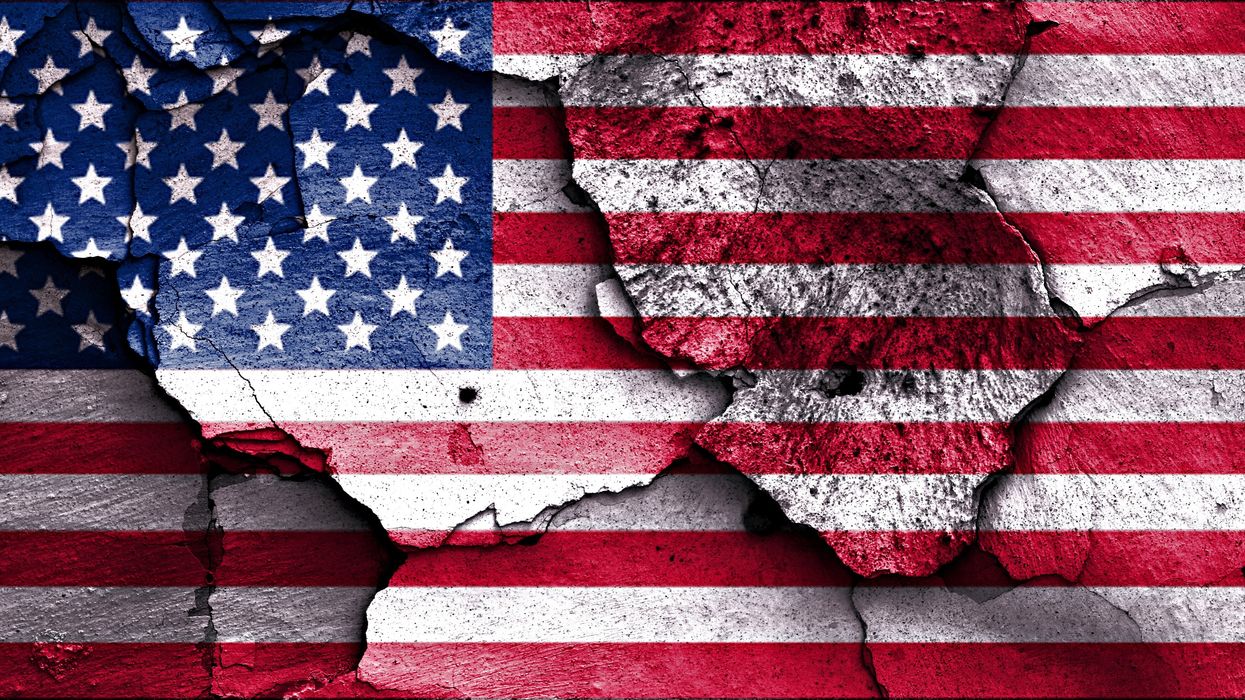
Nation Divides: Future at Stake
Introduction
We live in a world increasingly connected, yet paradoxically, increasingly divided. Scroll through any social media feed, listen to any news broadcast, and you’ll be confronted with stark contrasts, heated debates, and seemingly unbridgeable gaps in opinion. This isn’t just about political disagreements; it’s a deep-seated fracturing that touches every aspect of our lives – from economic policies to social values, from climate change to cultural identities.
But why should you care? Why should you spend your precious time reading about something that might seem overwhelming and, frankly, depressing? Because these divisions aren’t abstract concepts; they’re actively shaping your present and will profoundly impact your future, and the future of generations to come.
The Short-Term Pain: Immediate Impacts We See Today
The most immediate impact of a divided nation is, quite simply, gridlock. Think about it: When opposing sides are entrenched in their positions, compromise becomes a dirty word. Progress grinds to a halt. Legislation stalls. Vital issues remain unaddressed. We see this played out in governments across the globe, leading to policy paralysis and a general sense of frustration and disillusionment.
Beyond government, societal divisions fuel distrust. Communities become fractured, neighbors turn against neighbors, and civil discourse devolves into name-calling and demonization. This erosion of trust has real-world consequences. It weakens our ability to collaborate on local initiatives, diminishes our willingness to help those in need, and ultimately, undermines the very fabric of our society.
Economically, division can manifest in inequality. When policies favor one group over another, or when access to opportunities is restricted based on identity, economic disparities widen. This can lead to social unrest, instability, and a drag on overall economic growth. A nation divided against itself can’t compete effectively in the global marketplace.
The Long-Term Shadows: Implications for Tomorrow
While the short-term effects are concerning, the long-term implications of a deeply divided nation are potentially catastrophic. Consider the impact on future generations. When children grow up in environments saturated with animosity and prejudice, they are more likely to internalize these biases and perpetuate the cycle of division. This can lead to a society where inequality is entrenched, opportunities are limited, and social mobility is a distant dream.
Furthermore, a divided nation is vulnerable to external threats. When internal cohesion is weak, it becomes easier for adversaries to exploit these fissures and undermine national security. Think of how disinformation campaigns thrive in polarized environments, exacerbating existing tensions and eroding public trust in institutions.
The long-term impact on innovation and progress is also significant. A diverse society, where different perspectives are valued and encouraged, is more likely to generate creative solutions to complex problems. But when division stifles collaboration and innovation, progress stagnates, and we risk falling behind in a rapidly changing world.
Bridging the Gap: Practical Solutions for a United Future
So, what can we do? The situation may seem daunting, but the truth is, there are concrete steps we can take to bridge the divide and build a more united future. The key lies in fostering empathy, promoting dialogue, and working towards solutions that benefit everyone.
Here are some practical approaches:
- Active Listening and Empathy: One of the most powerful tools we have is the ability to listen and understand perspectives different from our own. This doesn’t mean we have to agree, but it does mean we need to approach conversations with an open mind and a willingness to learn.
- Example: Consider the “Living Room Conversations” initiative, which provides structured frameworks for people with differing viewpoints to engage in respectful dialogue on contentious issues. These conversations emphasize active listening, empathy, and finding common ground.
- Promoting Critical Thinking and Media Literacy: In an age of misinformation and echo chambers, it’s crucial to develop critical thinking skills and media literacy. We need to be able to evaluate sources, identify bias, and distinguish between fact and opinion.
- Example: Organizations like the News Literacy Project offer educational resources and training programs to help individuals develop these essential skills. By empowering citizens with the ability to critically assess information, we can combat the spread of misinformation and promote more informed public discourse.
- Investing in Education and Opportunity: Addressing economic inequality and creating opportunities for all is essential for fostering a more united society. This means investing in education, job training, and social safety nets.
- Example: The “Promise Neighborhoods” initiative in the United States provides comprehensive support services to children and families in disadvantaged communities, aiming to break the cycle of poverty and create pathways to opportunity.
- Encouraging Civic Engagement: A healthy democracy requires active participation from its citizens. We need to encourage people to get involved in their communities, to vote, and to hold their elected officials accountable.
- Example: Organizations like “Rock the Vote” work to engage young people in the political process, empowering them to make their voices heard on issues that matter to them.
- Fostering Community Building: Creating opportunities for people from different backgrounds to come together and connect on a personal level can help break down stereotypes and build bridges of understanding.
- Example: Community organizations like “The YMCA” offer a wide range of programs and activities that bring people together from diverse backgrounds, fostering a sense of belonging and shared purpose.
The specific solutions that will be most effective will vary depending on the context. Here are some alternative approaches to consider:
- Restorative Justice: Instead of focusing on punishment, restorative justice emphasizes repairing harm and building relationships between offenders and victims. This approach can be particularly effective in addressing issues of racial injustice and promoting healing within communities.
- Intergroup Dialogue: Structured conversations between members of different groups can help break down stereotypes and build empathy. This approach is often used in educational settings to address issues of race, ethnicity, and gender.
- Citizen Assemblies: These are randomly selected groups of citizens who come together to deliberate on important policy issues. Citizen assemblies can help ensure that diverse perspectives are considered in policymaking and promote greater public trust in government.
A Call to Action: Building a Brighter Future Together
The challenges we face as a divided nation are significant, but they are not insurmountable. By embracing empathy, promoting dialogue, and working together towards solutions that benefit everyone, we can build a more united and prosperous future.
This is not just the responsibility of politicians or policymakers; it’s the responsibility of each and every one of us. Start by listening to someone you disagree with. Engage in respectful conversation. Seek out opportunities to connect with people from different backgrounds.
The future of our nation, and indeed, the future of our world, depends on our ability to bridge the divides that separate us. Let’s choose unity over division, collaboration over conflict, and hope over despair. Let’s work together to build a brighter future for all.
