
“`html
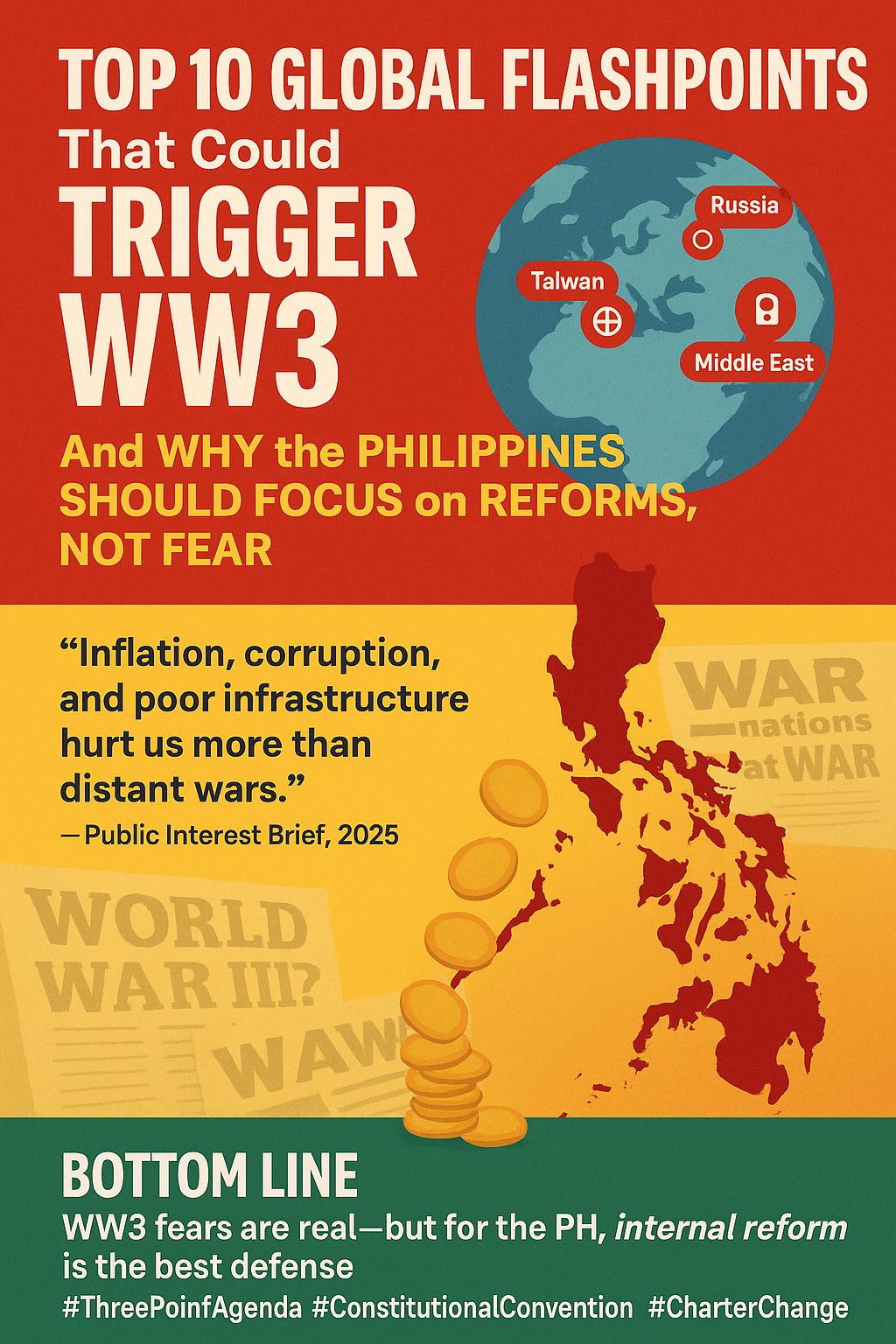
World on Edge: New Flashpoints Erupt
Introduction
Ever feel like you’re watching a global pressure cooker, with the lid threatening to blow any minute? You’re not alone. From simmering political tensions to resource scarcity and rapidly evolving technological landscapes, the world feels like it’s teetering on the edge. It’s not all doom and gloom, though. Understanding these emerging flashpoints is the first step towards navigating them, and maybe even turning up the heat on positive change instead.
So, what are these pressure points we’re talking about, and why should you care? Let’s dive in, but not too deep – we want to keep things engaging, not overwhelming!
The Sparks Igniting the Fire:
Several key areas are fueling the current global unease. Think of them as kindling, ready to catch fire:
- Geopolitical Instability: The Shifting Sands of Power: The traditional world order is, well, ordering itself differently. Power dynamics are shifting as countries like China and India flex their economic and military muscles. Old alliances are being tested, and new rivalries are emerging. The Russian-Ukrainian conflict is a stark reminder of the potential for large-scale conflicts to erupt. This reshuffling of the deck leaves a lot of room for miscalculation and misinterpretation, potentially leading to escalations. The short-term impact is felt in rising energy prices, supply chain disruptions, and humanitarian crises. Long-term, it could reshape international institutions and trade agreements.
- Resource Scarcity: The Thirst for Tomorrow: Clean water, arable land, and critical minerals are becoming increasingly scarce. Climate change exacerbates these issues, leading to desertification, rising sea levels, and extreme weather events. Think of regions already struggling with food insecurity – these problems only amplify existing tensions, potentially leading to mass migrations and conflict over resources. The short-term effects are felt in rising food prices and climate refugees. Long-term, it demands innovative solutions for resource management and sustainable development.
- Technological Disruption: The Algorithm’s Edge: Artificial intelligence, biotechnology, and quantum computing are advancing at warp speed. While holding immense promise, they also present unprecedented ethical and security challenges. The spread of misinformation and disinformation through social media erodes trust in institutions and fuels social polarization. Autonomous weapons systems raise the specter of warfare without human intervention. The short-term effects include concerns about job displacement and privacy violations. Long-term, we need to develop robust regulatory frameworks and ethical guidelines to ensure these technologies are used for good.
Beyond the Headlines: Impacts That Matter
These flashpoints aren’t just abstract problems for politicians and academics to worry about. They have very real consequences for all of us:
- Economic Volatility: Geopolitical instability and resource scarcity contribute to economic uncertainty. Businesses face higher risks, supply chains are disrupted, and inflation becomes a persistent threat. This can lead to job losses, reduced investment, and increased inequality.
- Social Unrest: The erosion of trust in institutions, coupled with economic hardship and social polarization, can lead to widespread protests and civil unrest. We’ve seen examples of this in recent years, from the Arab Spring to the Yellow Vest movement in France.
- Humanitarian Crises: Armed conflicts, natural disasters, and resource scarcity lead to displacement, famine, and disease. These crises disproportionately affect vulnerable populations and strain international aid organizations.
- Environmental Degradation: The pursuit of economic growth without regard for environmental sustainability exacerbates climate change and biodiversity loss. This has long-term consequences for the health of our planet and the well-being of future generations.
Turning the Tide: Practical Solutions for a Complex World
Okay, so the picture isn’t exactly rosy. But here’s the good news: we aren’t powerless. There are concrete steps we can take to mitigate these challenges and build a more stable and sustainable future.
- Diplomacy and Conflict Resolution: Investing in diplomacy, mediation, and conflict resolution mechanisms is crucial for preventing and resolving conflicts peacefully. This requires building trust between nations, fostering dialogue, and promoting international cooperation.
- Example: The work of organizations like the United Nations and the International Crisis Group in mediating conflicts and promoting peace.
- Sustainable Resource Management: Implementing policies that promote sustainable resource management is essential for addressing resource scarcity. This includes investing in renewable energy, improving water conservation, and promoting sustainable agriculture.
- Example: The development of solar and wind power technologies as alternatives to fossil fuels.
- Ethical Technology Development: Establishing ethical guidelines and regulatory frameworks for emerging technologies is crucial for ensuring they are used for good. This requires engaging in public dialogue, fostering transparency, and promoting accountability.
- Example: The development of AI ethics guidelines by organizations like the IEEE and the Partnership on AI.
- Building Resilience: Strengthening communities and institutions to withstand shocks and stresses is essential for building resilience. This includes investing in education, healthcare, and infrastructure, as well as promoting social cohesion and civic engagement.
- Example: Community-based disaster preparedness programs that empower individuals to take action in the face of natural disasters.
Alternative Approaches: A Menu of Options
No single solution fits all. Here are a few alternative approaches you can consider:
- Localization: Focus on strengthening local economies and communities, reducing dependence on global supply chains. This can enhance resilience and promote sustainable development.
- De-growth: Challenge the paradigm of endless economic growth and focus on reducing consumption and promoting resource efficiency. This can help to alleviate environmental pressures and promote social equity.
- Citizen Science: Engage citizens in scientific research and monitoring, empowering them to contribute to knowledge generation and environmental stewardship.
- Impact Investing: Invest in businesses and projects that generate positive social and environmental impacts, aligning financial returns with social good.
From Angst to Action: A Call to Engagement
The world may be on edge, but that doesn’t mean we should retreat into our shells. On the contrary, it’s a call to engagement. We can all play a role in building a more stable, sustainable, and equitable future.
- Stay informed: Read reputable news sources, engage in critical thinking, and avoid falling prey to misinformation.
- Get involved: Participate in civic engagement, support organizations working on these issues, and advocate for policy changes.
- Make conscious choices: Choose sustainable products, reduce your carbon footprint, and support businesses that prioritize social and environmental responsibility.
- Spread awareness: Talk to your friends, family, and colleagues about these issues and encourage them to take action.
The challenges we face are daunting, but not insurmountable. By working together, we can turn the pressure cooker into a crucible of positive change. Let’s harness our collective ingenuity, compassion, and determination to build a world where everyone can thrive. The future isn’t predetermined; it’s being written now, and you have a pen in your hand. So, what will you write?
“`
