
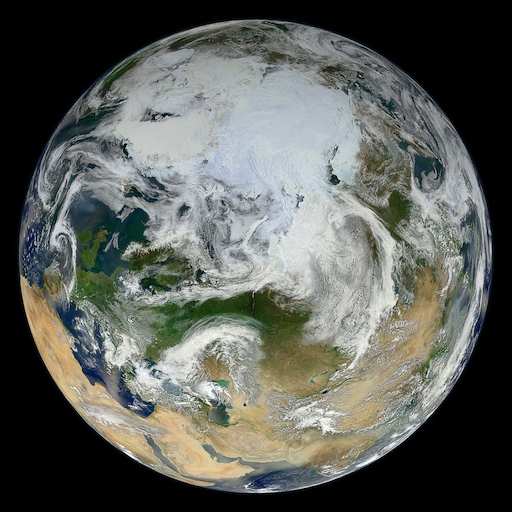
The World. Now.
Introduction
Ever feel like you’re sprinting on a treadmill, trying to keep up with the blur of news, tech, and global shifts? You’re not alone. The world is evolving at warp speed, and understanding the “now” – not just the headlines, but the underlying currents – is crucial for navigating what’s coming next. Let’s dive into a pressing issue shaping our reality and explore how we can not just react, but proactively shape a better future.
Let’s talk about climate change. Yeah, I know, you’ve heard it all before. But stick with me. This isn’t about polar bears (although, yes, they are important). This is about your future, your community, and the everyday realities that are quietly transforming around us.
Explanation of the Problem
The Short-Term Heat:
Right now, climate change is throwing us curveballs – and some of them sting. Think about the erratic weather patterns. The droughts that parch farmland, leading to higher food prices. The floods that displace communities, leaving lasting economic and emotional scars. These aren’t abstract, far-off threats; they’re happening now.
We’re seeing increased insurance premiums in areas prone to wildfires or coastal flooding. Businesses are struggling with supply chains disrupted by extreme weather events. Farmers are facing unpredictable yields, threatening their livelihoods. And let’s not forget the health impacts, with rising temperatures exacerbating respiratory illnesses and the spread of vector-borne diseases.
The Long-Term Chill (and Boil):
Looking ahead, the picture becomes even more complex. The long-term impacts of climate change are potentially catastrophic. Rising sea levels threaten coastal cities and communities. Ocean acidification jeopardizes marine ecosystems, impacting global fisheries. More frequent and intense extreme weather events will lead to increased displacement, resource scarcity, and potential conflicts.
But the long term also holds opportunities. Shifting away from fossil fuels creates potential for new industries, new jobs, and new technologies. Imagine a world powered by renewable energy, with sustainable agriculture practices and resilient infrastructure. It’s a vision worth striving for, and it’s entirely within our reach.
Solutions
Feeling overwhelmed? Don’t be. The key is to focus on practical, actionable solutions, both individually and collectively. Here are a few avenues to explore:
1. The Power of Personal Choices:
Reduce Your Carbon Footprint: This might sound cliché, but it’s fundamental. Small changes add up. Consider these:
- Transportation: Opt for public transport, cycling, or walking whenever possible. If you need a car, consider an electric or hybrid vehicle.
- Energy Consumption: Switch to energy-efficient appliances, use LED lighting, and insulate your home. Consider installing solar panels if feasible.
- Diet: Reduce your meat consumption, especially beef. Plant-based diets have a significantly lower carbon footprint. Shop locally and reduce food waste.
- Consumption Habits: Buy less stuff. Choose durable, sustainable products. Repair instead of replace. Embrace the sharing economy (e.g., tool libraries, car sharing).
Case Study: Freiburg, Germany: Freiburg is a city that has embraced sustainable living in a big way. They prioritize cycling and public transportation, have strict energy efficiency standards for buildings, and promote local, organic food. As a result, they have significantly reduced their carbon emissions and created a more livable, sustainable city.
2. Investing in Green Technologies and Infrastructure:
- Support Renewable Energy: Advocate for policies that promote the development and deployment of renewable energy sources like solar, wind, and geothermal. Invest in companies that are working on innovative energy solutions.
- Promote Sustainable Agriculture: Support farmers who are using sustainable farming practices, such as crop rotation, no-till farming, and cover cropping. These practices can improve soil health, reduce water usage, and sequester carbon.
- Build Resilient Infrastructure: Invest in infrastructure that can withstand the impacts of climate change, such as seawalls, flood barriers, and drought-resistant water systems.
Example: Tesla and Electric Vehicles: Tesla’s success has demonstrated that electric vehicles can be both desirable and practical. This has spurred other automakers to invest in electric vehicle technology, accelerating the transition away from fossil fuels.
3. Policy and Advocacy: Making Your Voice Heard:
- Vote for Climate-Conscious Leaders: Elect officials who understand the urgency of climate change and are committed to implementing effective policies to address it.
- Support Climate Policies: Advocate for policies that reduce carbon emissions, promote renewable energy, and protect natural resources. This could include carbon pricing mechanisms, regulations on polluting industries, and investments in green infrastructure.
- Engage in Community Action: Join local environmental organizations and participate in community initiatives to promote sustainability. This could include tree planting, community gardens, or climate education programs.
Example: The Paris Agreement: The Paris Agreement is an international accord that aims to limit global warming to well below 2 degrees Celsius above pre-industrial levels. While the agreement has its limitations, it provides a framework for international cooperation on climate change and demonstrates the power of collective action.
Alternative Approaches: A Toolkit for Change
There’s no one-size-fits-all solution to climate change. Here are a few alternative approaches to consider:
- Carbon Capture and Storage: Technologies that capture carbon dioxide from industrial sources and store it underground. While still in its early stages, carbon capture has the potential to significantly reduce emissions from heavy industry.
- Geoengineering: Deliberate large-scale interventions in the Earth’s climate system, such as injecting aerosols into the stratosphere to reflect sunlight. Geoengineering is a controversial approach, as it could have unintended consequences, but some argue that it may be necessary as a last resort.
- Circular Economy: A model that emphasizes reusing, repairing, and recycling materials to minimize waste and resource depletion. A circular economy can reduce carbon emissions by reducing the demand for raw materials and the energy required to manufacture new products.
Conclusion
The world is changing, undeniably and rapidly. The challenges posed by climate change are significant, but so is our capacity to adapt, innovate, and create a more sustainable future. It starts with acknowledging the “now” – understanding the immediate impacts and the long-term implications. Then, it’s about taking action, however small, in our own lives and advocating for change in our communities and beyond.
Don’t let the scale of the problem paralyze you. Every conscious choice, every informed decision, every voice raised in support of sustainability makes a difference. The future isn’t something that happens to us; it’s something we build, brick by brick, action by action. Let’s embrace the “now” and build a world where both people and planet can thrive. The power to shape that world is in our hands. Let’s use it wisely.
