
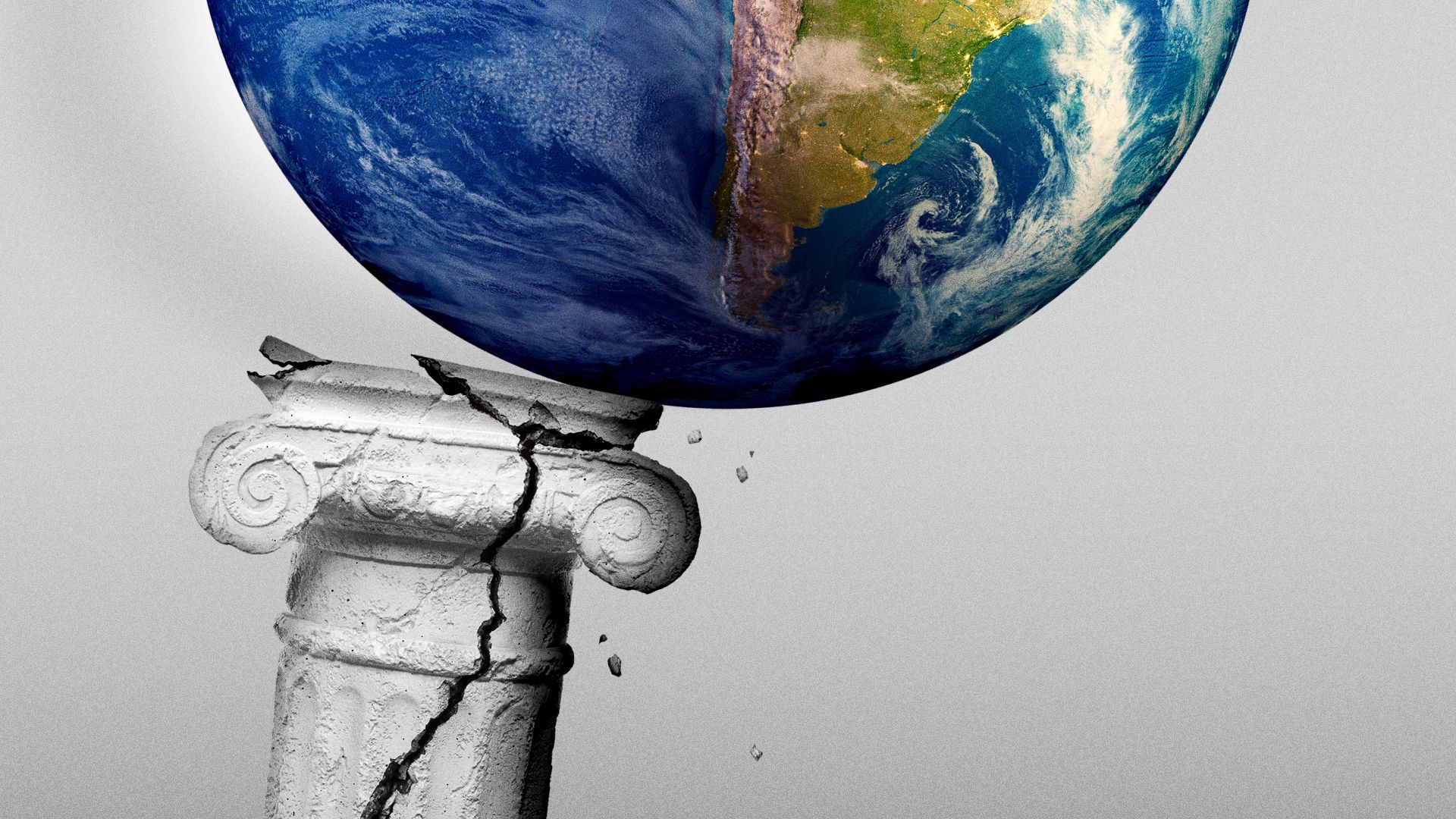
BREAKING: World on Edge.
Introduction
Okay, let’s be honest. Lately, it feels like the world’s been perpetually teetering on the brink. A constant hum of uncertainty vibrates beneath the surface of our daily lives. From geopolitical tensions to economic instability and the ever-present specter of climate change, it’s understandable if you’re feeling a little… uneasy. This isn’t just some dramatic headline; it’s a feeling many of us share. But before you resign yourself to a future of anxiety and doom-scrolling, let’s take a deep breath and unpack what’s really going on, the potential impacts, and, most importantly, what we can actually *do* about it.
The Perfect Storm: What’s Got the World So Anxious?
The truth is, there’s no single culprit pushing the world to the edge. It’s more like a confluence of factors, a perfect storm brewing on a global scale.
- Geopolitical Instability: The war in Ukraine continues to rage, redrawing geopolitical lines and exacerbating existing tensions. China’s growing influence and its relationship with Taiwan add another layer of complexity. These are not just abstract political issues; they directly impact global supply chains, energy markets, and international relations.
- Economic Uncertainty: Inflation, rising interest rates, and fears of a recession are weighing heavily on individuals and businesses alike. The cost of living is soaring, putting a strain on household budgets and fueling social unrest in many parts of the world. The long-term effects of pandemic-era stimulus packages are still playing out, adding to the volatility.
- Climate Change: The evidence is undeniable and increasingly alarming. Extreme weather events – from devastating floods to record-breaking heatwaves – are becoming more frequent and more intense. The consequences are far-reaching, impacting agriculture, infrastructure, and public health. The longer we delay meaningful action, the more irreversible the damage becomes.
- Technological Disruption: While technology offers incredible opportunities, it also presents new challenges. Artificial intelligence is advancing at an unprecedented pace, raising concerns about job displacement, bias, and the potential for misuse. The spread of misinformation and disinformation online further erodes trust in institutions and fuels social polarization.
Short-Term Pain, Long-Term Gain? The Potential Impacts
Ignoring these interconnected crises isn’t an option. The short-term impacts are already being felt:
- Increased Poverty and Inequality: As the cost of living rises and economic opportunities dwindle, the gap between the rich and the poor will continue to widen. This can lead to social unrest and political instability.
- Mass Migration: Climate change and conflict are already forcing people to leave their homes in search of safety and opportunity. This will likely lead to increased pressure on host countries and potential humanitarian crises.
- Erosion of Democratic Institutions: In times of crisis, people may be more willing to sacrifice civil liberties in exchange for perceived security. This can lead to the erosion of democratic norms and institutions.
The long-term impacts are even more daunting:
- Ecological Collapse: Unchecked climate change could lead to widespread ecological collapse, threatening biodiversity and the vital ecosystem services that we rely on.
- Global Conflicts: Competition for scarce resources, such as water and food, could lead to increased conflicts between nations.
- Permanent Economic Disruption: A prolonged period of economic instability could undermine the global financial system and lead to widespread poverty and social unrest.
Turning the Tide: Practical Solutions We Can Embrace
Okay, the picture looks bleak. But here’s the good news: we’re not powerless. There are practical solutions we can implement, both individually and collectively, to mitigate the risks and build a more resilient future.
- Prioritize Sustainable Investing and Consumption:
- What It Is: This means making conscious choices about where we invest our money and what we consume. Look for companies and funds that prioritize environmental, social, and governance (ESG) factors. Reduce your carbon footprint by buying less, buying local, and opting for sustainable products.
- Example: Instead of investing in traditional oil and gas companies, consider investing in renewable energy funds or companies that are developing sustainable technologies. When shopping, choose products made from recycled materials and support local businesses that prioritize sustainability.
- How to Apply: Research ESG ratings of companies and investment funds. Reduce your consumption of single-use plastics. Support local farmers markets and businesses.
- Embrace Energy Efficiency and Renewable Energy:
- What It Is: Reduce your energy consumption by making your home more energy efficient and switching to renewable energy sources. Install energy-efficient appliances, insulate your home properly, and consider installing solar panels.
- Example: Upgrading to LED lighting can significantly reduce your energy consumption. Installing a smart thermostat can help you regulate your home’s temperature and save money on your energy bills.
- How to Apply: Conduct an energy audit of your home. Contact your local utility company to learn about energy efficiency programs and incentives. Explore the possibility of installing solar panels on your roof.
- Engage in Civic Action and Advocacy:
- What It Is: Become an active participant in your community and advocate for policies that promote sustainability, social justice, and economic equality. Vote in elections, contact your elected officials, and support organizations that are working to address the world’s most pressing challenges.
- Example: Join a local environmental organization and participate in advocacy campaigns. Contact your elected officials and urge them to support policies that promote renewable energy and reduce carbon emissions.
- How to Apply: Find organizations that align with your values and get involved. Stay informed about current events and policy debates. Make your voice heard by contacting your elected officials and participating in public forums.
- Foster Global Cooperation and Diplomacy:
- What It Is: Support international efforts to address global challenges, such as climate change, poverty, and conflict. Promote diplomacy and cooperation between nations. Advocate for stronger international institutions and agreements.
- Example: Support the United Nations and other international organizations that are working to address global challenges. Advocate for stronger international agreements on climate change and other environmental issues.
- How to Apply: Stay informed about international affairs and support organizations that are working to promote global cooperation. Write letters to your elected officials urging them to support international initiatives.
These aren’t the only solutions, of course. Here are a few other avenues worth exploring:
- Building Community Resilience: Focusing on strengthening local communities can help us weather global storms. This includes initiatives like community gardens, mutual aid networks, and local economic development projects.
- Promoting Mental Wellness: The constant barrage of bad news can take a toll on our mental health. Practicing mindfulness, seeking therapy, and connecting with others can help us cope with stress and anxiety.
- Supporting Ethical Businesses: Consciously choosing to support businesses that prioritize ethical labor practices, environmental sustainability, and social responsibility can help create a more just and equitable economy.
A Reason for Hope: Moving Forward with Intention
Yes, the world is on edge. But we’re not paralyzed. We have the tools, the knowledge, and the capacity to build a more sustainable, just, and resilient future. It won’t be easy, and it will require a collective effort. But by prioritizing sustainable practices, engaging in civic action, and fostering global cooperation, we can turn the tide and create a world that is truly worth living in.
Don’t let the weight of the world crush your spirit. Let it fuel your determination. Every small action counts. Every conscious choice makes a difference. Let’s work together to build a better future, one step at a time. The time for action is now. The future is in our hands.
